
Something Irreversible Is Happening to Australian House Prices Right Now | APS132
The Australian government spent $20.5 billion helping young people buy homes. The result? Prices went up 18.8%. You heard that right. Taxpayers put in $20.5 billion, and the people who couldn’t afford to buy — they’re now even further behind. You might think that’s a policy failure. It’s not. I spent a week going through every stakeholder in the property game — voters, banks, state governments, the federal government, landlords, developers, and the construction industry. Seven forces. The one that actually wants prices to come down? Zero.
How do these seven forces form a closed loop that nobody wants to break? Why will inheritance lock the next generation into fixed wealth tiers?
The truth is, demographics have already written Australia’s script for the next twenty years. What’s about to happen is irreversible.
Where Did the Middle Class Go?
Have you noticed something? Homes in inner Sydney keep getting more expensive. The people living there look more polished. But drive forty or fifty kilometres west, and it’s a completely different world — the clothes, the cars, the houses, even how people carry themselves. Like two separate countries sharing one city. And the layer in between? It’s shrinking.
The OECD defines the middle class as households earning between 75% and 200% of the median income. In the 1980s, that group made up 64% of the population. Where does Australia sit now? 58%. Out of every 100 households, six middle-class families have disappeared. Where did they go? Most of them didn’t move up. They slid down.
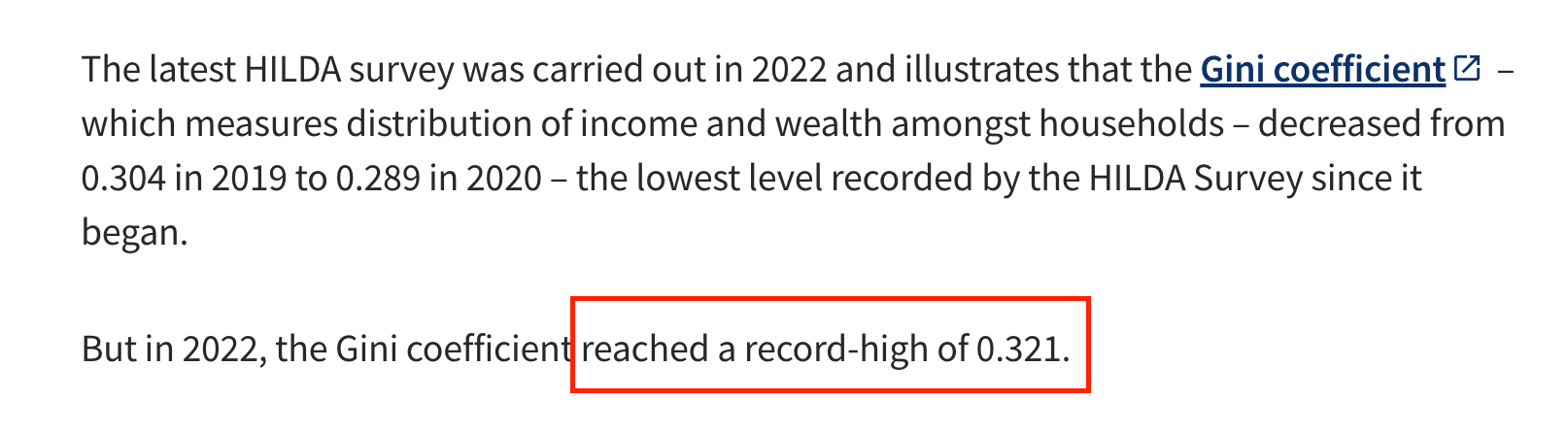
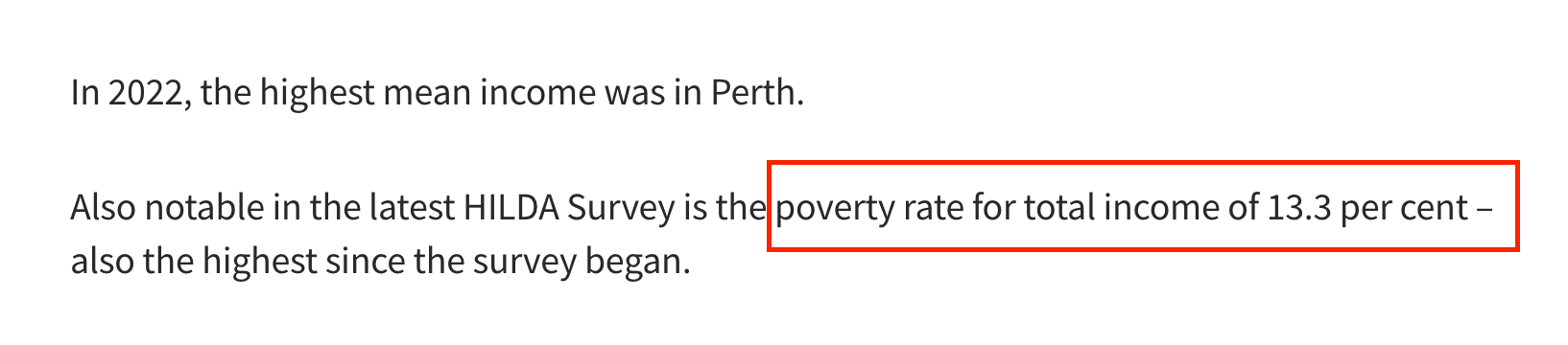
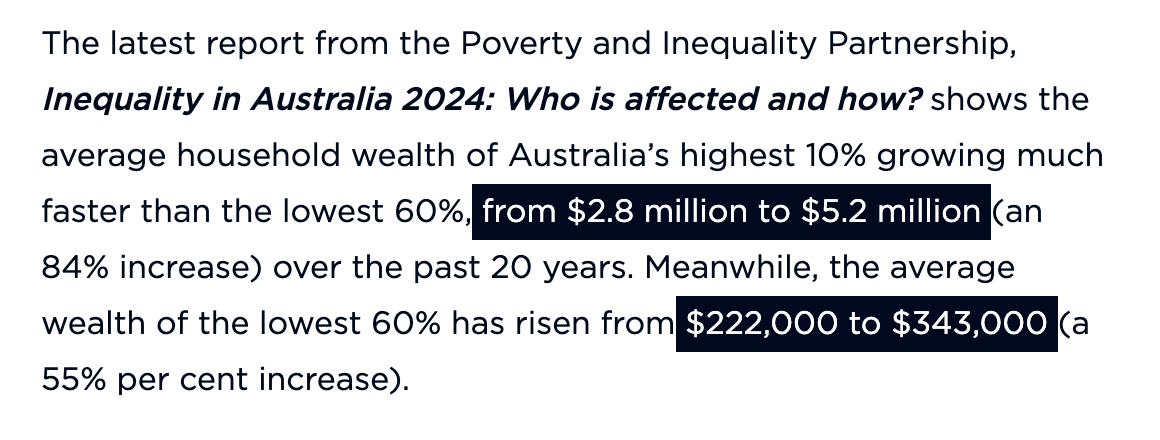
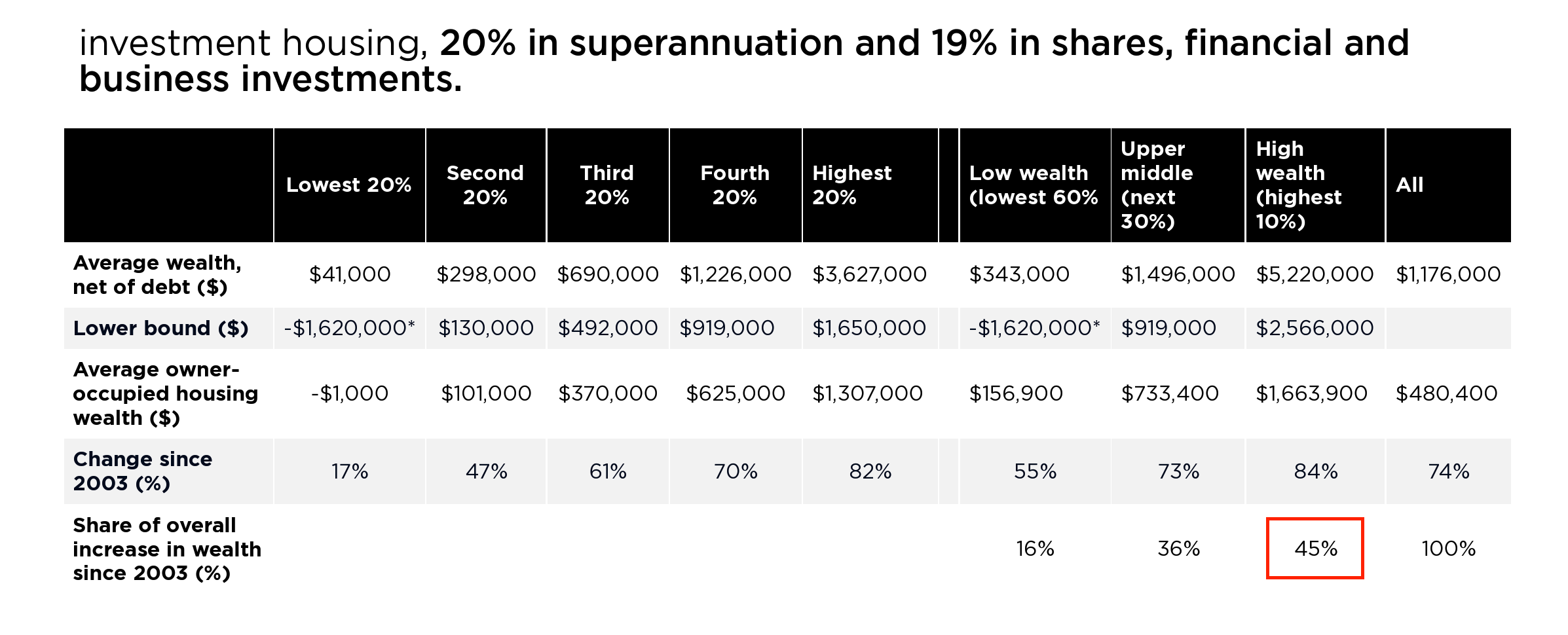
The first time I saw those numbers, I was surprised. But the next few hit even harder. A survey report from the University of Melbourne, released in March 2025, showed Australia’s income Gini Coefficient reached 0.321 — the highest in the survey’s 22-year history. The poverty rate also hit a record 13.3%. A joint report by UNSW in 2024 was even more blunt — over the past 20 years, the wealthiest 10% of households captured 45% of all wealth growth. Their average household wealth rose from $2.8 million to $5.2 million. The bottom 60%? From $220,000 to $340,000. One side grew nearly 90%. The other is just over 50%. Factor in inflation, and the real gain is even less.
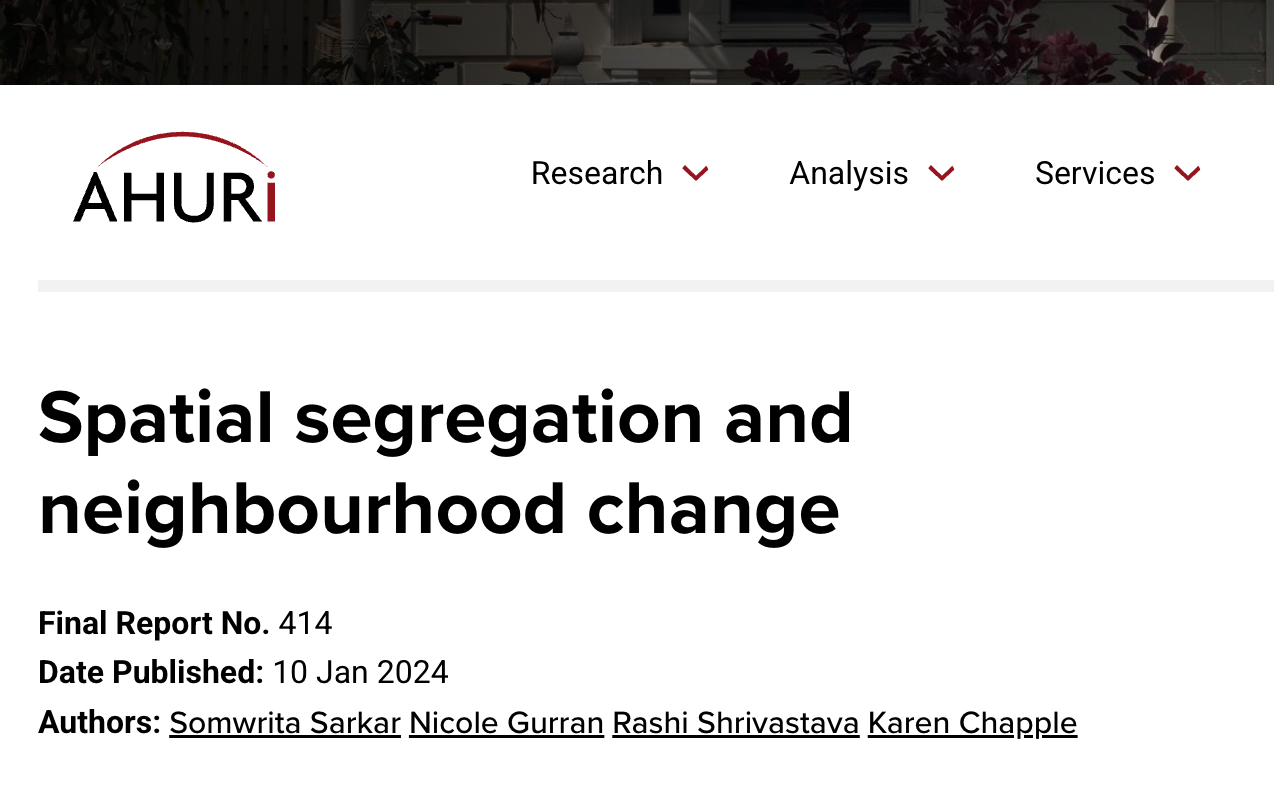
This gap doesn’t just show up in numbers — it shows up in physical space. A research team from the University of Sydney, found that socioeconomic segregation across Australia’s five capital cities is getting worse. Wealthy people cluster together. Poor people too. And Sydney is the worst.
Will this gap narrow over time? Almost certainly not. It’s going to widen. Because what’s coming next is the largest wealth transfer in history — the inheritance wave.
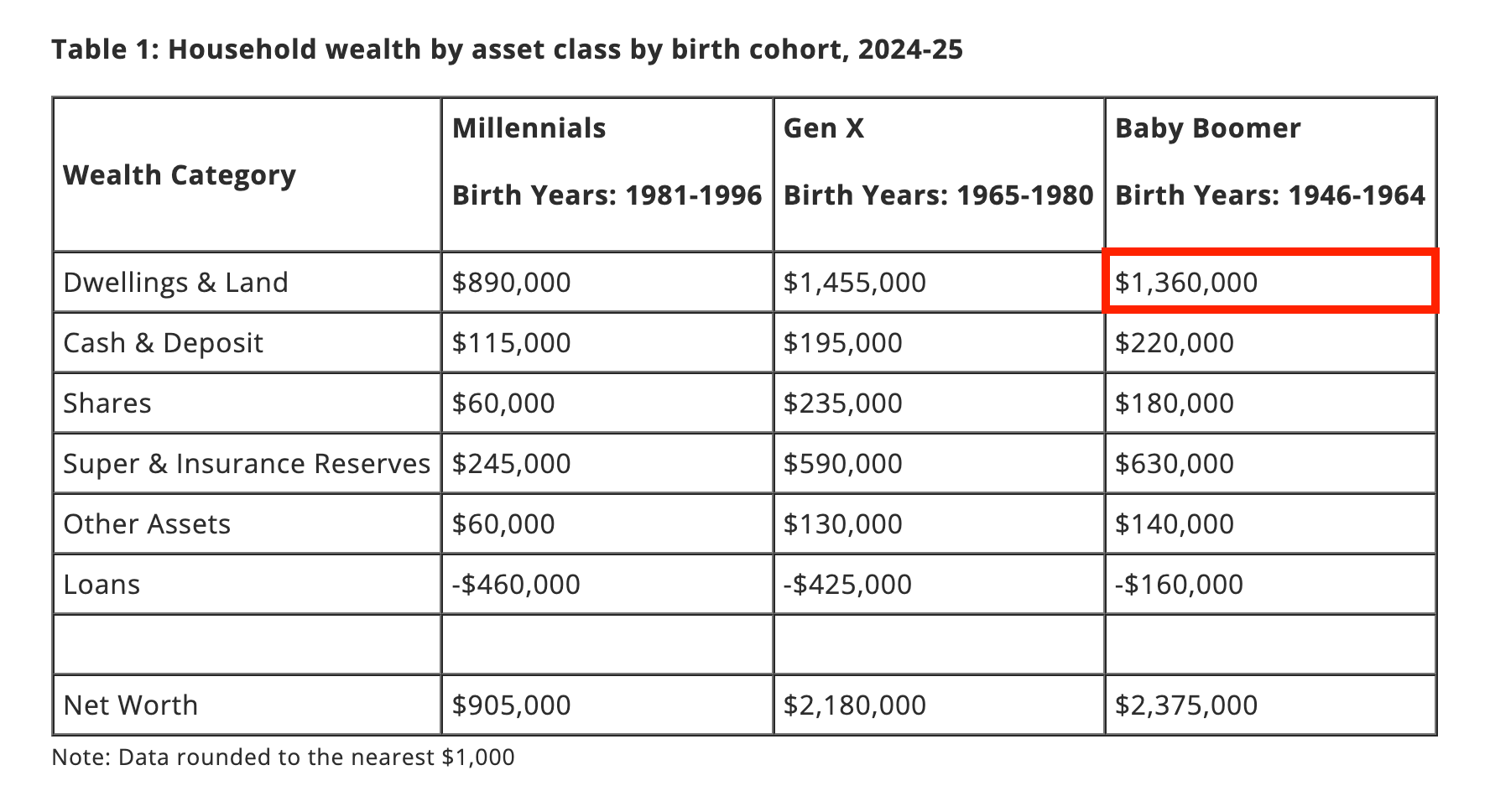
KPMG’s January report showed that Baby Boomers hold an average net worth of $2.46 million per household. Of that, $1.36 million is property. Over the next two to three decades, an estimated $3.5 trillion to $5.4 trillion will pass to the next generation. Sounds great — money coming your way. But the problem is, it arrives too late. The most common age to inherit in Australia is the mid-50s to early 60s. You need a deposit at 30. And the poorest 20% of households inherit an average of $3,500. The wealthiest 20%? $121,000.
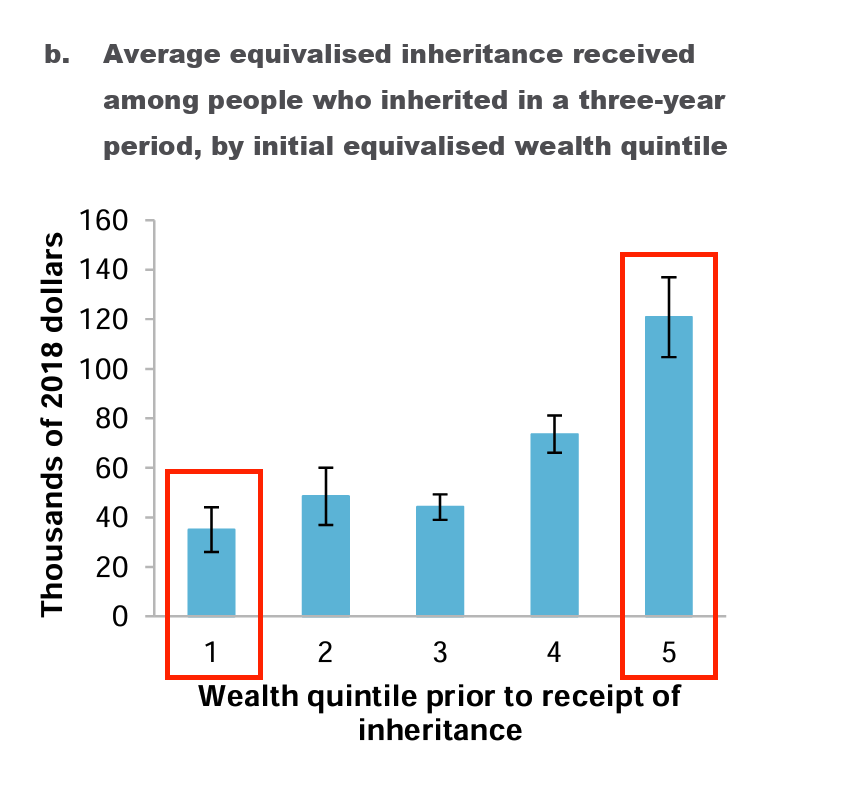
Children of wealthy homeowners inherit more and buy more property. Children of non-owners inherit almost nothing, and still can’t buy. This cycle keeps spinning — those with property accumulate more, those without stay locked out. You might say, just let prices come down and the problem’s solved. But is there anyone in Australia’s system with real power who wants prices to fall? I went through every name on the list. Not one.
Seven Players Who Don’t Want Prices to Drop
If you’re a politician, 67% of the households in your electorate own their home — straight from the last census. Former Prime Minister John Howard once said something remarkably honest. “I’ve never had a voter come to me complaining their house price went up.” Are you really going to upset two-thirds of your voters? That’s force number one.
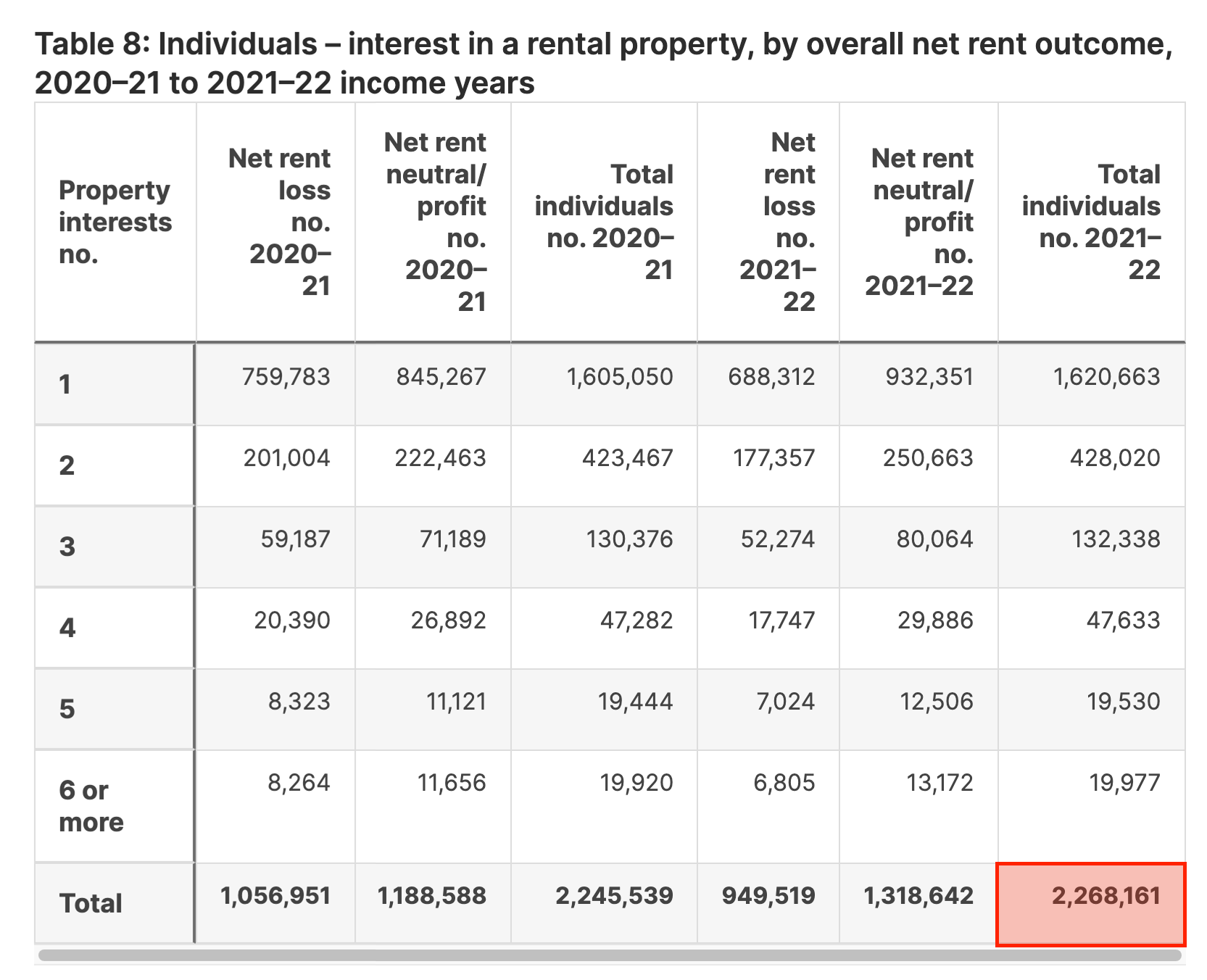
Number two — individual landlords. ATO data shows about 2.27 million individual landlords in Australia, holding over 3.3 million investment properties. 71% own just one — not big capitalists, just regular workers who bought an extra place. But together, another powerful voting bloc. You might think — people protecting their own interests, that’s human nature. But personal feelings alone don’t move markets.
Number three — the banks. The Big Four’s lifeblood is home lending — roughly 65% of total credit. Their combined mortgage book: $1.73 trillion. Prices go up, loan sizes go up, and interest income goes up. You think the banks are cheering for a correction?
Number four — state governments. The Victorian Parliamentary Budget Office reported this February that Stamp Duty and Land Tax alone make up 42% of Victoria’s total tax revenue. Nearly half the money is tied to property. If prices drop, that revenue shrinks overnight. That’s why stamp duty reform has been talked about for decades, and no state has ever actually done it. Reforming it means cutting their own pay cheque.
Number five — the federal government. The Home Guarantee Scheme was massively expanded last October — uncapped places, no income limits, and Sydney’s price ceiling pushed to $1.5 million. The government is guaranteeing your mortgage. When you guarantee someone’s loan, you want that asset to go up. Simple as that.
Number six — developers. Industry-standard margins range from 15% to 20%. Higher prices mean bigger profits in absolute dollars. With construction costs where they are, developers would rather build fewer homes at higher prices than chase volume on thin margins.
Number seven — the construction industry. 1.32 million workers. 9% of all employment. The busier the market, the more secure the jobs. They don’t want a slowdown either.
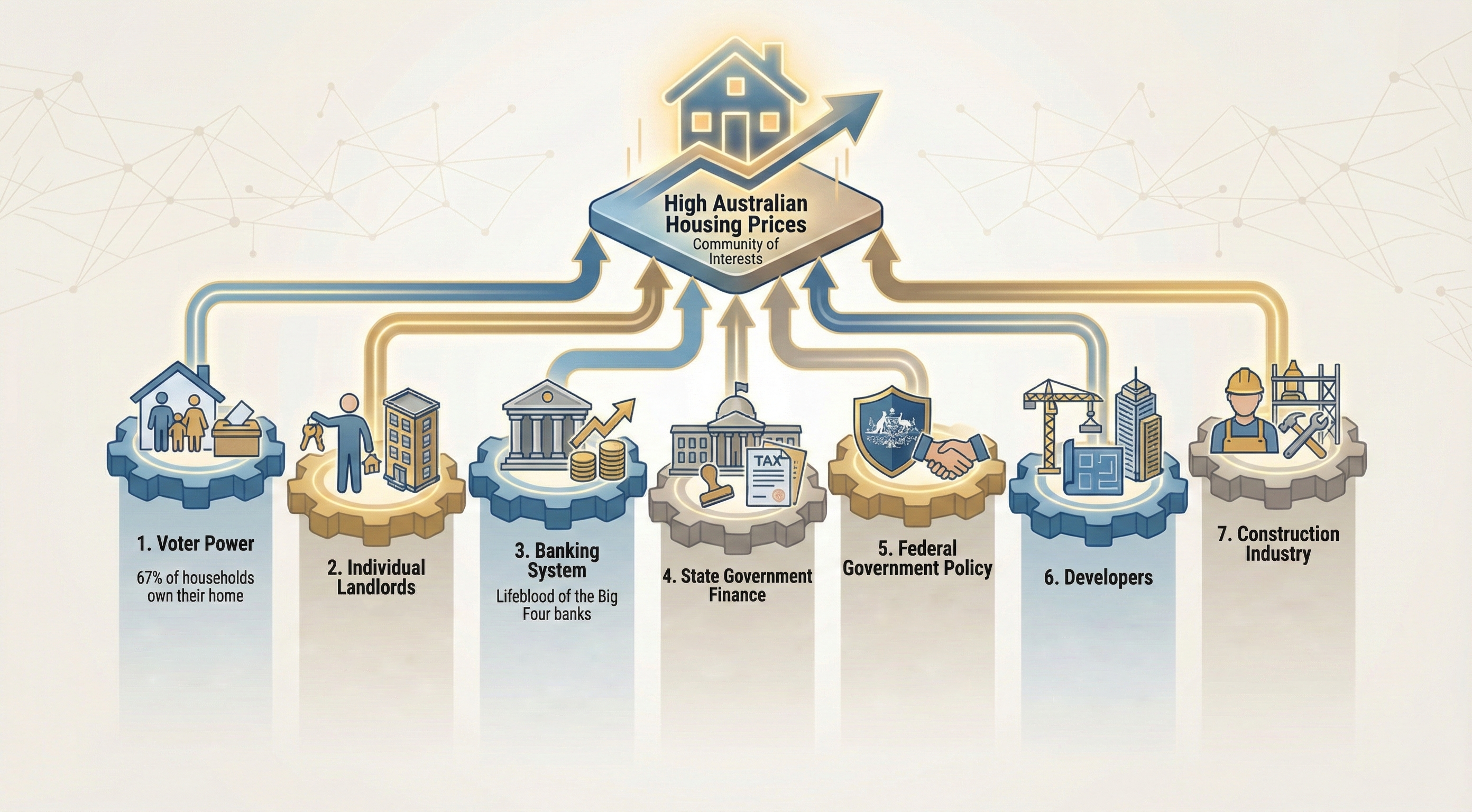
Seven forces. Voters, landlords, banks, state governments, the federal government, developers, and the construction industry. Find me one that wants prices to come down. What about young people who can’t buy or rent? They’re the group with the least influence in the entire system.
This isn’t a conspiracy. Every player is acting in their own rational self-interest. But together, they form a system in which prices move in only one direction. And the policies that are supposed to help? They make it worse.
If you have any questions about property investment, please book a free discovery call on our website. If you want a team offering one-stop service to help you build a property investment portfolio, achieve financial freedom and retire early, join our VISION Gold Membership starting with a 30-minute discovery session. Or to keep it simple, our data-driven buyer's agency service can help. We buy and manage properties for our clients anywhere in Australia. If you have an international view, talk to us about the UAE VISION Gold Membership. We help you invest in the UAE property market, plan your tax residency, reduce your taxes to almost 0 and handle CRS/AML auditing. Links to the service are in the description below.
The More They Help, the Higher It Goes
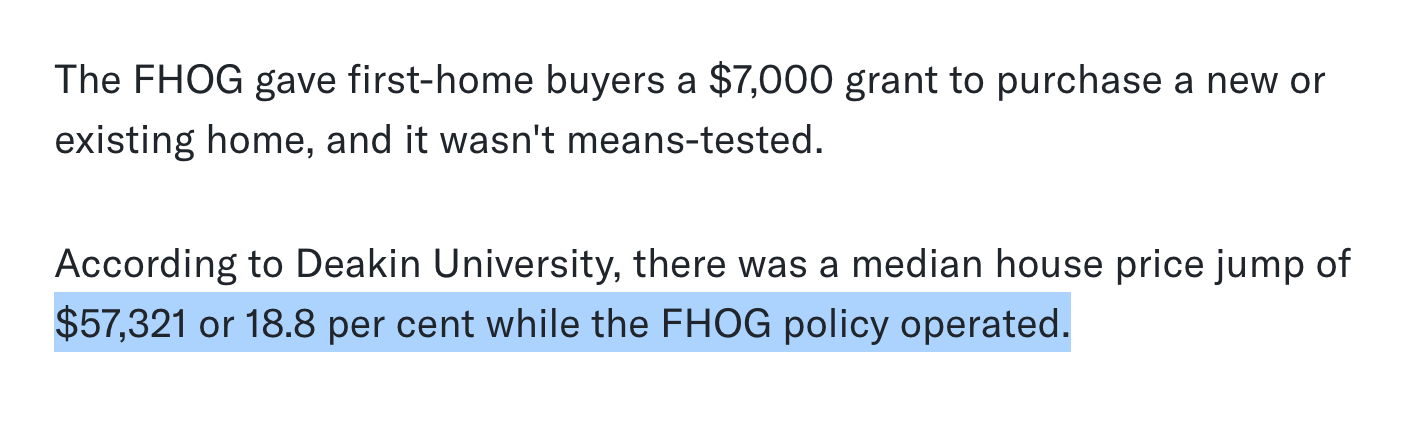
Remember the number from the opening? $20.5 billion in, 18.8% up. I didn’t make that up. Deakin University found that the First Home Buyer Grant directly pushed median prices up by about $57,000. Taxpayers spent over $20.5 billion subsidising first-home buyers. The government handed buyers a chunk of money, and sellers raised their asking prices by the same amount. Who won? The sellers. Who lost? The taxpayers. Your tax dollars are used to push up the homes you can’t afford.
Lateral Economics published research in 2025 showing the expanded Housing Grant System could push prices up a further 3.5% to 9.9%. Help to Buy also launched last December, with the government taking an equity stake. The upward pressure isn’t fading — it’s intensifying.
Economist Saul Eslake, who’s studied housing policy for 30 years, nailed it in one line: pump money into buyers without increasing supply, and all you do is push prices higher. He renamed first-home buyer grants “Existing Home Vendors’ Grants” — because that’s where the money ends up. In the sellers’ pockets.

Evena And demographics are the one you can bank on, because they’re already locked in.
Demographics Have Already Decided
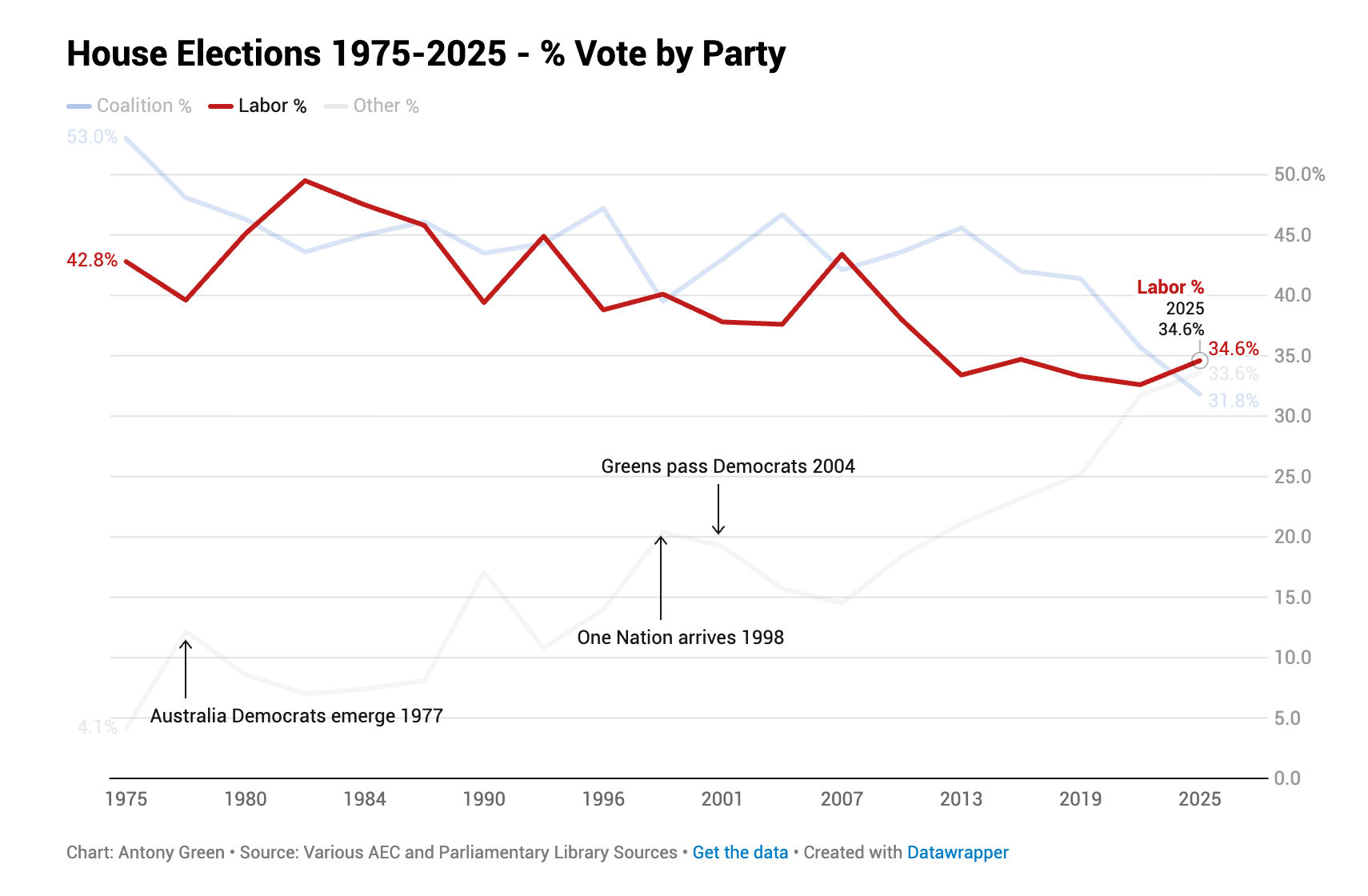
Twenty years ago, only one in seven voters backed a minor party. Now it’s one in three. The 2025 federal election set a record — minor parties and independents collected over 33% of the vote, surpassing the Coalition for the first time. The combined two-party vote also fell below two-thirds for the first time ever.
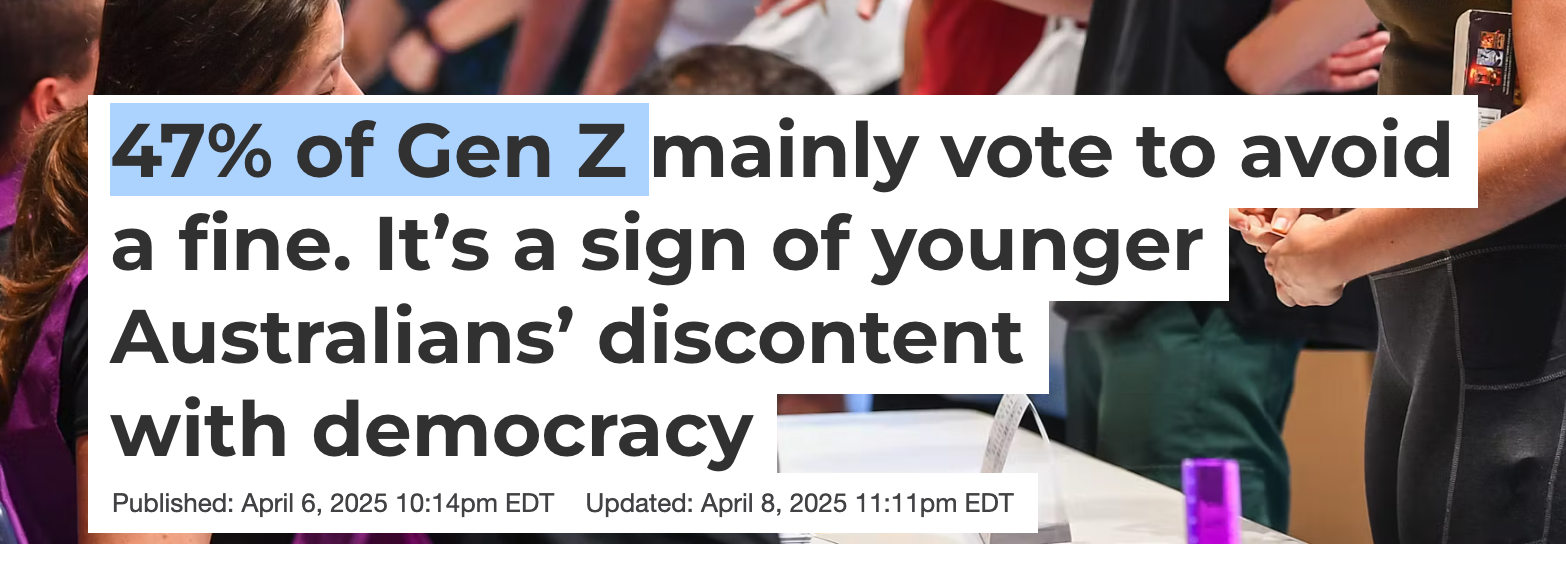
Voters who stick with the same party every election dropped from 72% in 1967 to just 37% now. A Griffith University survey found 47% of Gen Z voters mainly showed up to avoid the $20 fine. Half of young Australians aren’t voting “for” anyone — they’re voting to stay out of trouble.
But don’t expect a property tax revolution any time soon. Australia’s preferential voting system heavily protects the two major parties. Labour won just 34% of first-preference votes yet took 94 of 150 seats — over 63%. Political structures shift very slowly.
Politics is the slow variable — uncertain, unpredictable. But demographics move faster, and they’re not going to change direction.
Australia has roughly 5.4 million Millennials — about the same size as the Baby Boomers, one of the biggest generations on record. In 2026, they’re 30 to 44, entering the 40-to-50 stage of life. The RBA’s own data shows this is the highest-earning and highest-spending age group — kids in school, mortgage, lifestyle locked in. 5.4 million people are hitting life’s most expensive phase at once. Consumption demand isn’t going anywhere.
The current cash rate of 3.85% feels high compared to the 2010s average of around 2.5%. But the long-term average from 1990 to 2025 is 3.87%. We’ve simply returned to normal. The RBA’s estimated neutral rate sits between 3% and 4.2%. Even after rates “normalise,” they won’t go back to the ultra-low levels we got used to. Higher rates are the new normal. Higher barriers are the new reality. And the demographic script? It’s been written. You can’t edit it.
Feeling grim? Hold on — this last section might give you something to hold onto. Even with APRA’s DTI caps, RBA rate hikes, and CGT reform all pointing toward cooling the market, Australia’s foundations are more solid than you might think.
The Foundations Are Still There
Start with immigration. Before the pandemic, net overseas migration ran about 240,000 a year. Post-pandemic, it spiked to 538,000 — but the ABS was clear: that was backfilling the gap, what they call “catch-up migration.” It’s settled back to around 300,000. High immigration won’t be cut in any major way.
The over-85 population roughly doubles every 25 years — aged care runs on migrant labour. International students contribute about $90,000 each per year, and international education is Australia’s fourth-largest export. High immigration isn’t a policy choice — it’s a structural necessity. As long as that floor holds, housing demand holds.
Look at the other fundamentals. Mining — the world’s largest iron ore producer, with iron ore exports alone worth $116 billion. Agriculture — last year’s winter crop came in 27% above the ten-year average. Tourism — international visitors have recovered to over 90% of pre-pandemic levels.
Compare that to Germany. IMF data shows Germany grew just 0.1% over five years. 20 million workers heading for retirement, only 12.5 million young people to replace them. It’s the difference between a house needing a full rebuild and one that just needs a new light bulb.
Here are three takeaways. First, Australia is polarising, but nobody in the system wants to change it. The seven-force loop won’t break any time soon. Second — rates will stay higher than we’re used to, but the foundations are solid. No reason to panic. Third — in this landscape, those who move earliest capture the most compound growth.
For ordinary people, it comes down to this. Don’t wait for prices to drop — the system’s structure makes that almost impossible. If you can tap the “Bank of Mum and Dad,” do it early. $100,000 at age 30 is worth twice as much as $100,000 at 60 — that’s the power of time. And in a high-rate world, picking the right strategy matters more than picking the right moment.
Don’t wait for the system to change for you. Change how you think first. If you’ve made it this far, you’re not here for entertainment. You want a framework you can actually use.
Inside VISION Gold Membership, we’ve built rates, supply and demand, rents, and policy into a continuously updated decision system. The Golden 11 Rules help you read macro trends. The Golden 21 Rules help you pinpoint quality houses across 15,000-plus suburbs. The 541 Framework helps you sort out location, timing, and opportunity. The link is in the description below.
Watch the video version of the blog on YouTube.
15 Minutes Free Consultation (Limited-Time Free Offer)
If you have any questions about Australian real estate, we invite you to use our 15 Minutes Free Consultation service. Once you have filled in the form, a professional property investment strategist will be in touch with you. They will assess your needs and provide fundamental advice. This service is designed to help answer general property-related queries. BOOK NOW.
VISION Membership
Our Flagship Service: VISION Membership. Your One-Stop Property Investment Manager – Build a Tailored Portfolio and Achieve Financial Freedom
Whether you're an employee, a professional, a business owner or even a new migrant, everyone has a financial goal for the future. The VISION Membership is designed to solve all the pain points in your Australian property investment journey through one single, comprehensive service.
By analysing your current financial situation and long-term goals, we'll tailor a property investment plan just for you. Our team will match you with the ideal mortgage structure, tax strategies, wealth planning, and legal support, empowering you to go further, faster, and smarter on your path to financial freedom.
VISION Membership is perfect for busy individuals who want a professional team to create, expand and manage their Australian investment portfolio. If you're looking for a dedicated team, including real estate investment experts, mortgage brokers, accountants, financial planners, and property solicitors, VISION Membership is your ideal solution.
Start with an obligation-free 30-minute discovery session on Zoom. BOOK NOW.
VISION Buyer’s Agent
No time for inspections? Tired of dealing with pushy selling agents? Unsure how much to offer or feeling nervous about auctions? Worried about buying the wrong property? If any of these sound like you, AusPropertyStrategy's Australia-wide VISION Buyer's Agent Service is here to help.
We provide end-to-end support to help you build an optimised property portfolio and achieve your financial goals—whether you're investing interstate, refinancing, or planning post-settlement leasing or resale. Our services cover everything from suburb research and property selection, to price negotiation, auction bidding, and post-settlement support.
Start with an obligation-free 30-minute discovery session on Zoom. BOOK NOW.
real estate australia,real estate investing,australian property,australian housing market,australian economy,australian property investment,australian property market,buying property,australian real estate,mortgage brokers brisbane,first home buyer,Australian Real Estate,Australian Real Estate Investment,Australian Property Investment,Real Estate Investment,Property Investment,Property Investment Australia,Passive Income,Positive Cash Flow,Australia Real Estate Investing,Australian Real Estate Investors,Australian Property Investors,Vision Wealth Mentors,Vision Real Estate Investors Australia,financial freedom, freedom through property investment,real estate investors,property investment,passive income,positive cash flow,real estate course,real estate courses,real estate training,australian property market,property investment brisbane,property investment sydney,melbourne property market,investing in brisbane,investing in melbourne,how to invest in property,buying properties,start investing in property,property investment strategy,how to buy investment property,property investing tips,best suburbs to invest in sydney,locations real estate,prime location,property growth by suburb,capital growth suburbs


