
One Nation Overtook Labor and Liberal – What It Means for Your Property|APS157
One Nation's federal primary vote has overtaken Labor. It's overtaken Liberal. The two major parties combined sit at just 48%. That has never happened in recorded Australian political history. One Nation has even talked about forcing temporary visa holders and permanent residents to sell their properties within two years. So how did a small party end up in the first place? Why are millions of Australians backing them? And what does it mean for your money?
I spent over fifteen hours digging through the data and the policies. And here's what I found: whether One Nation wins government or not isn't the point. Their influence has already seeped into both major parties, and it's shifted where this country is heading. Now look, I'm not here to talk politics for the fun of it. Most of you just want to earn a living, invest smartly, and get on with life. But over the next six years, Australia is heading downhill, and that slide is coming straight for your wallet.
Your Wallet Is Shrinking
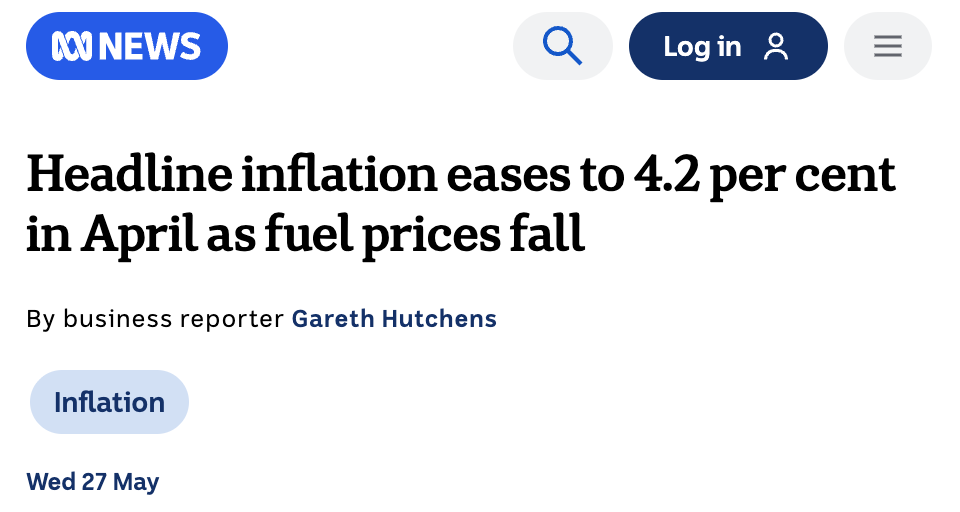
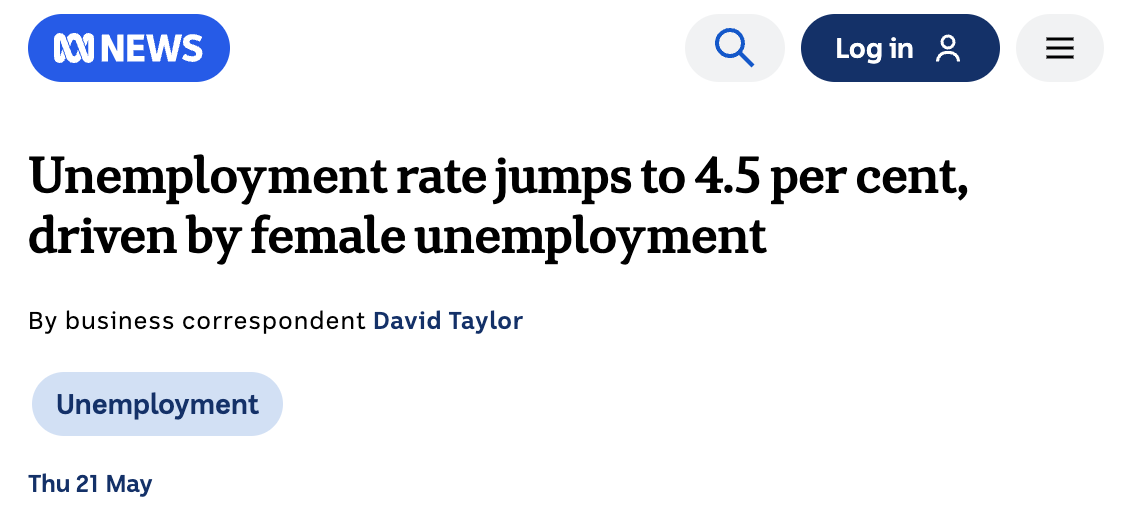
The RBA has bumped up rates three times already this year. Inflation's running at 4.2%, well above the 2% to 3% target. Unemployment has climbed to 4.5%, the highest since late 2021, with 33,000 jobs wiped out in April alone. Have your friends been struggling to find work lately?
The property-related numbers tell the same story. Sydney dropped 0.9% in May, Melbourne fell 0.8%, but rents keep going up. The national clearance rate has sunk to 50%, down from 65% a year ago. April dwelling approvals came in 3.4% lower, below the five-year average, which means new supply simply can't keep up. National median dwelling price: $1.11 million. In plain English, most people can't put together a deposit, and mortgage repayments have hit a record. That's what 2026 looks like.
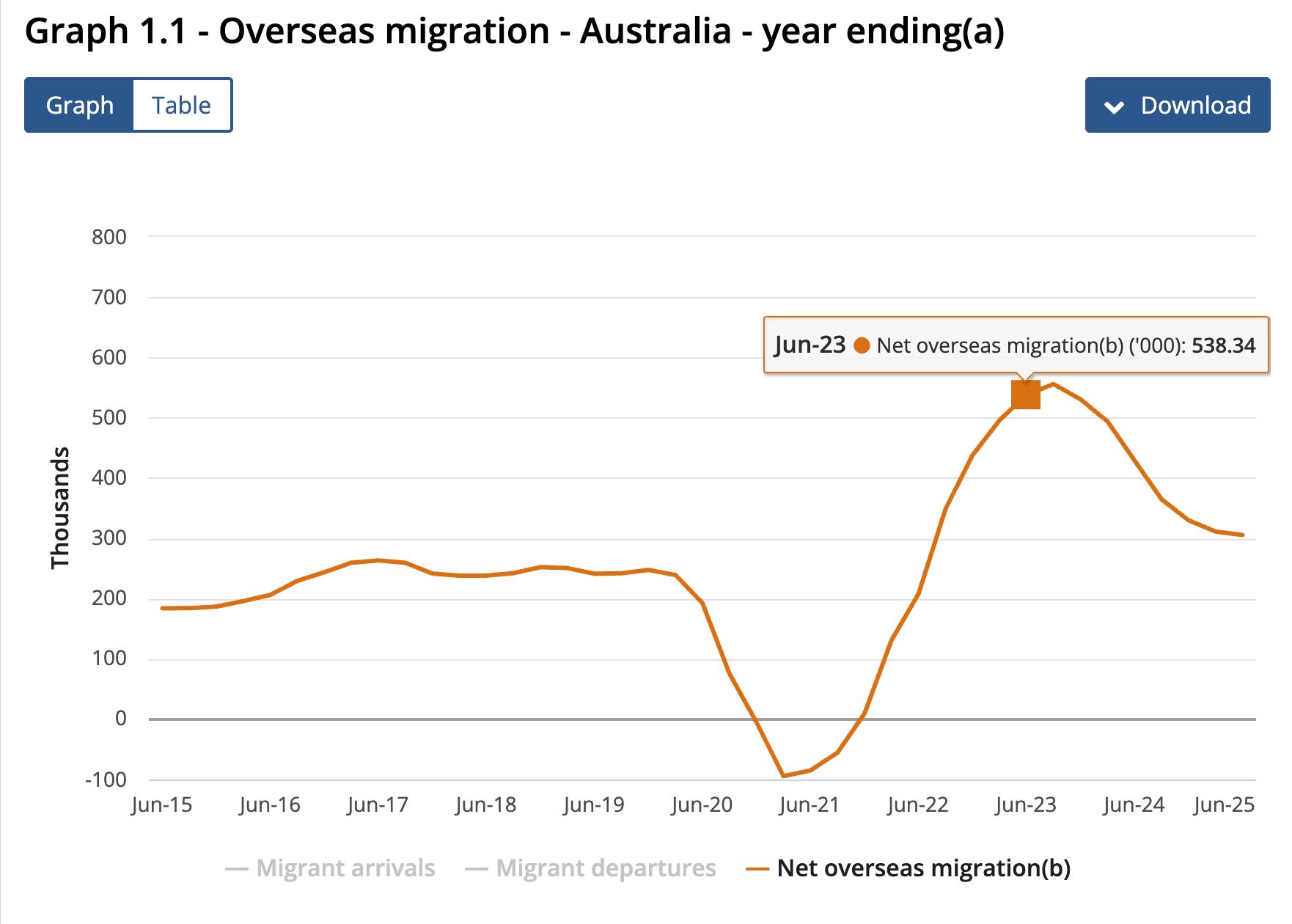
Labour's been in power for a few years. Net overseas migration has come down from the record of 538,000 to 306,000. The number's dropping, but the feeling that "too many people are coming in" keeps getting stronger. They promised housing relief, energy support, a lower cost of living. But go to the supermarket and a lettuce still costs seven or eight dollars, filling up the car still runs over a hundred, and your mortgage is hundreds more per month than it was two years ago. Albanese's net approval has hit its lowest since he took office: just 36% satisfied, 60% dissatisfied, a net score of negative 24.
And the Coalition? Even worse. The 2025 election was their worst result on record, and then they spent six months tearing each other apart over the leadership. Since Taylor took over, the numbers have kept sliding. Voters can see it. The left can't manage the economy. The right can't even manage themselves.
That total loss of faith in both major parties is exactly what opened the door. And the person who walked through it first showed up thirty years ago.
From the Fringe to First
In 1996, Pauline Hanson stood in the House of Representatives and warned Australia was "being swamped by Asians." The Liberal Party kicked her out, so she went and started One Nation. In 2016, she came back to the Senate, this time warning about being "swamped by Muslims." In 2025, she wore a burqa into the chamber as a protest and got censured 55 to 5. In early 2026, she told Sky News there's "no such thing as a good Muslim." Nationals Senator Canavan said publicly she was "not fit to lead a political party."
Thirty years, same person, same playbook. The only thing that changes is who she's pointing at.
But from mid-2025, One Nation's support went through the roof. The South Australian state election gave them a 22.1% primary vote, putting them ahead of the Liberals. The Farrer by-election saw One Nation pick up a House of Representatives seat on its own for the first time ever. And by June, Newspoll had them sitting first nationally, with Labour second and Liberal third. The two major parties combined dropped below 50% for the first time in history.
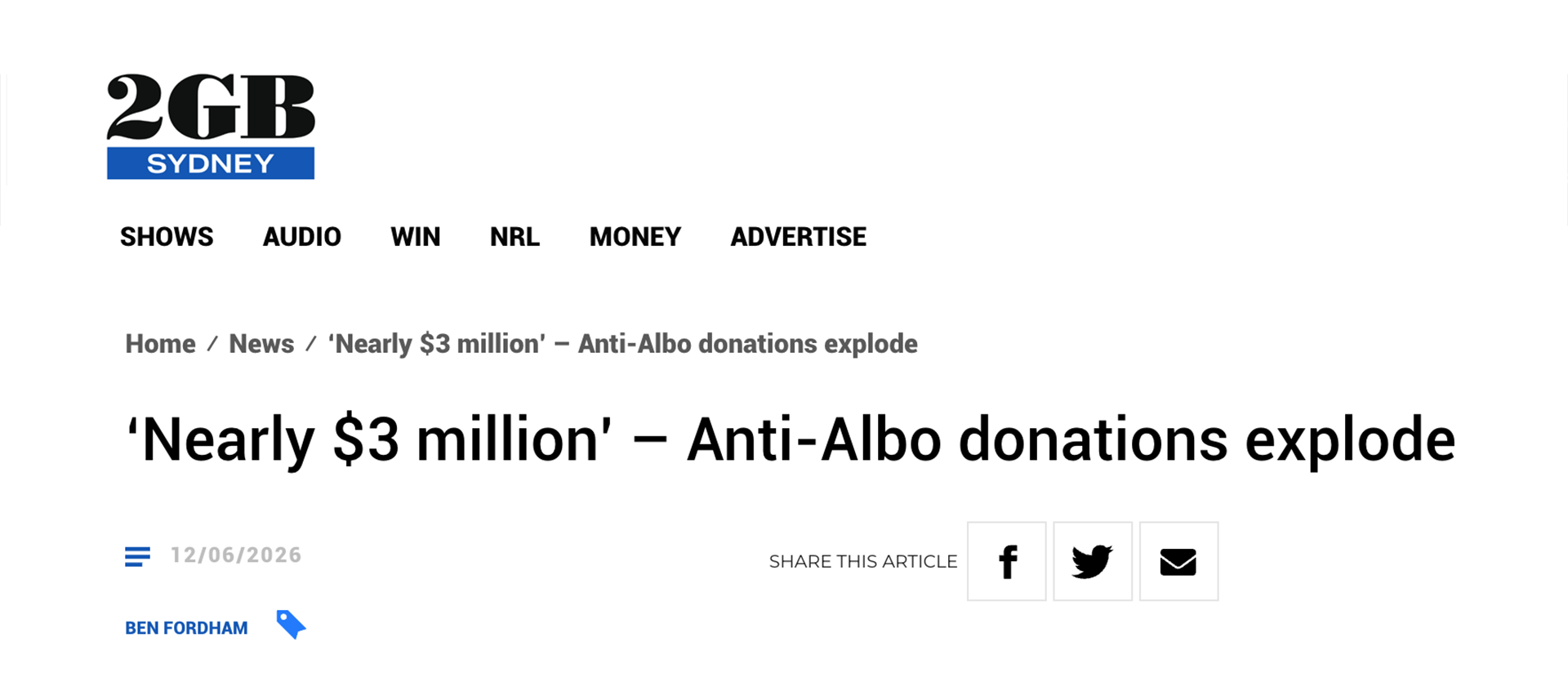
So who's voting for them? The Australian's breakdown was clear: low-income, blue-collar, outer-suburban electorates. The lower the income, the higher the One Nation vote. These aren't extremists. They're people whose pay hasn't gone up, who can't buy a home, and whose rents and rates keep climbing while the government keeps telling them more migrants are pouring in. They don't need every One Nation policy to stack up. They just need someone to stand up and say, "I hear you." The Bondi Beach attack in December 2025 pushed anti-immigration feelings to its peak. And the money followed: over 28,000 people donated to the "Fire the Liar" campaign, pulling in more than $3 million. Gina Rinehart chipped in a $2.1 million plane plus $2 million cash. Treasurer Chalmers called Hanson a "wholly owned subsidiary" of Rinehart.

Here's a detail most people missed. Barnaby Joyce, former Deputy PM, called Hanson's views "crazy talk" in 2017 and said One Nation in power would finish Australia off. In late 2025, he joined them. Politicians, it turns out, have very short memories when the wind changes direction.
So One Nation has the voters. If they get real power, what happens? Their policies cut much deeper than most people think.
Six Cuts
One Nation's platform covers six areas, and every single one of them hits your wallet.
Immigration: annual visa cap of 130,000, an eight-year wait for citizenship and welfare, a ban on migrants from countries that "foster extremism" (read: a Muslim country ban), deportation of 75,000 overstayers, and pulling out of the UN Refugee Convention. Think about what that eight-year wait actually means. A skilled worker comes to Australia, pays taxes, fills a skills gap, but can't get citizenship or welfare for eight years. How many people are going to sign up for that deal?
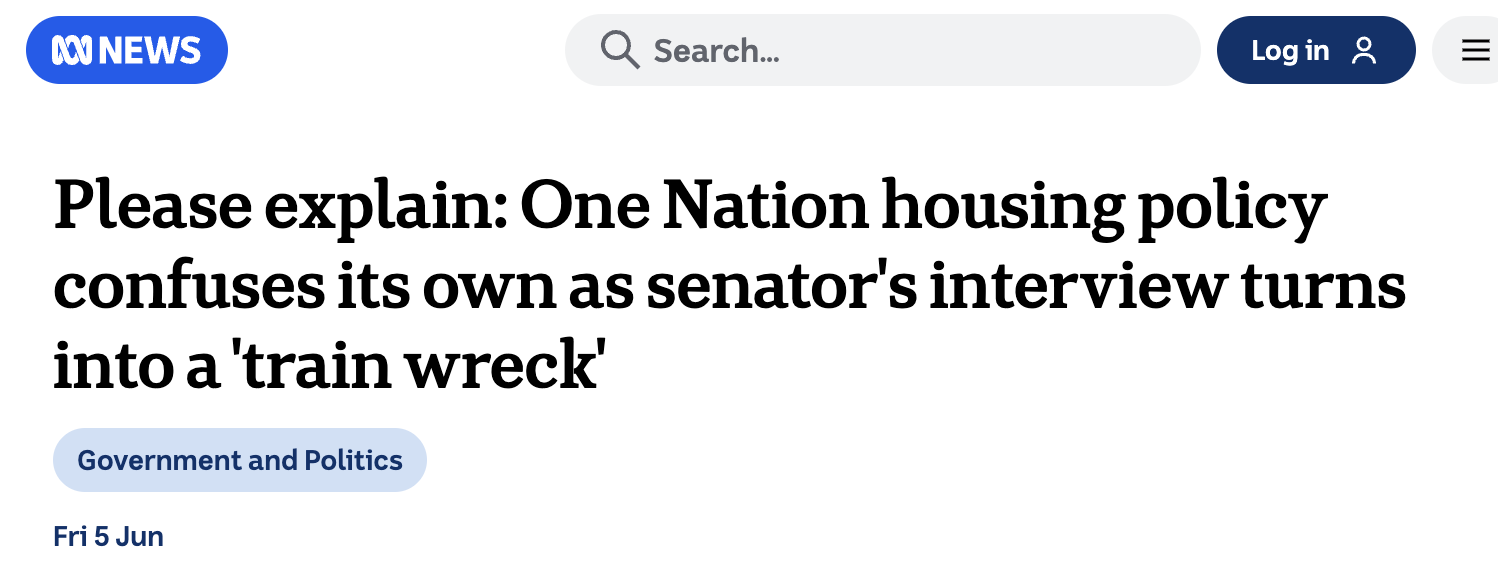
Housing: temporary visa holders sell within two years or the government takes their property through compulsory acquisition. Five-year GST freeze on building materials. Super allowed for first-home deposits. Negative gearing capped at two properties. But the forced-sale policy blew up in public last week. Joyce went on Sky News and said permanent residents had to sell too, then scrambled to walk it back. Senator Bell went on 2GB, got pressed by the host, couldn't come up with an answer, and the host called it a "train wreck" before cutting the interview short. Then Hanson posted on X saying permanent residents were exempt. Is that policy, or are they writing the script live on air?
And here's the kicker: foreign-owned dwellings make up less than 0.4% of Australia's total housing stock. That's one in every 270 homes. You're going to pin the housing crisis on that?
Energy: scrap net zero, pull out of the Paris Agreement, keep old coal stations running, build new ones, push nuclear with small modular reactors, and ban offshore wind. In plain English, they deny climate change. But solar, wind, and storage is already the cheapest generation mix out there. Nuclear is the most expensive option upfront, even though costs come down over time, and whether Australia can foot that bill is an open question.
Economy: $90 billion in annual spending cuts. Total federal spending sits at about $720 billion, so that's one-eighth of the entire budget gone. Big numbers, zero detailed costings, and not one economist putting their name behind any of it.
Foreign affairs: walk away from the UN, the WHO, and the ICC. Tighten foreign investment screening through FIRB.
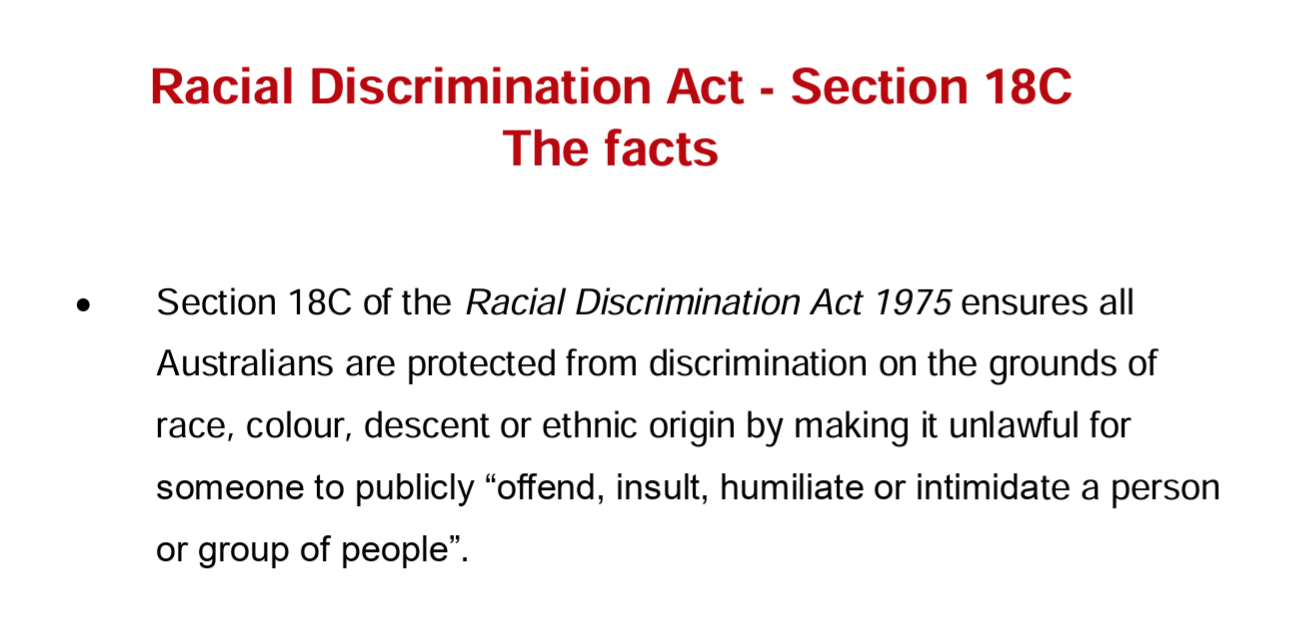
Social policy: repeal Section 18C of the Racial Discrimination Act, shut down the Human Rights Commission, push for a COVID Royal Commission.
Look, every one of those cuts sounds satisfying in the moment. But what happens when you actually sit down and do the maths? Most people haven't bothered, and once you do, your view might look very different.
Want to know exactly where you stand and what your next property move should be? Book a VISION Blueprint Session — in 45 minutes, you'll walk away with a personalised Property Investment Blueprint built around your numbers, your goals, and your timeline. And if you want ongoing support from a team that handles everything from strategy to settlement, VISION Gold Membership is your next step. Link in the description below.
Do the Maths
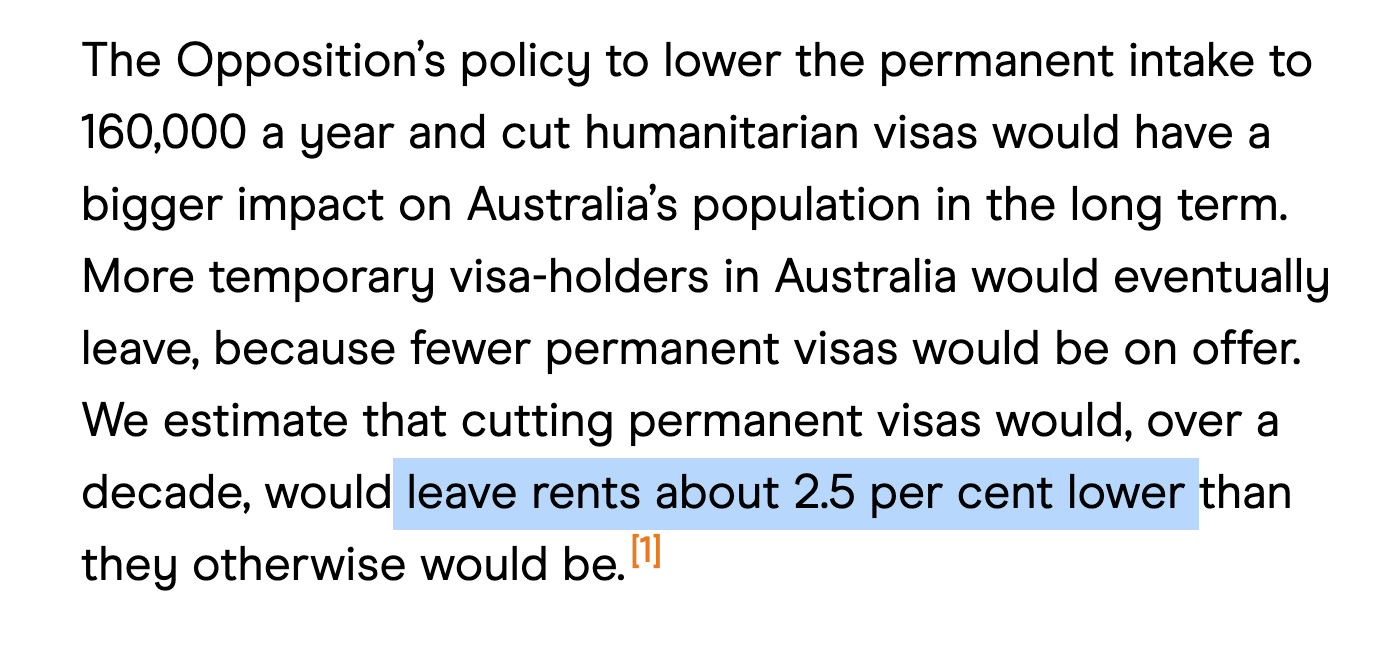
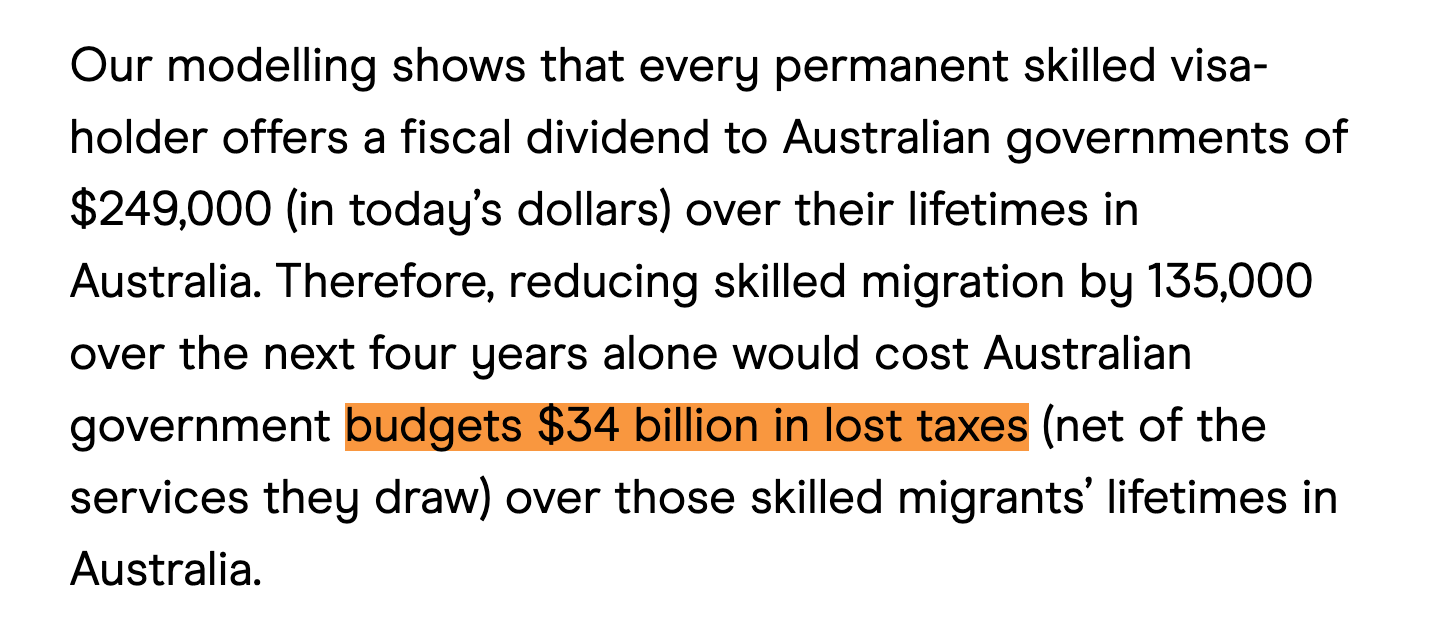
Start with immigration. Cutting numbers to 130,000 means immediate labour shortages, and construction gets hit first. Fewer workers means fewer homes going up. But people already living in Australia still need somewhere to live, so prices go up, not down. Grattan Institute ran the numbers on this: cutting permanent visas by just 25,000 per year only brings rents down 2.5% after a full decade, and the four-year cumulative tax revenue loss comes to $34 billion. One Nation wants to cut far deeper than that. Rents might dip a few extra points, but the revenue hole gets much bigger, and you fill that gap either by raising taxes or by borrowing more.
Now let's talk about energy. Pulling out of the Paris Agreement might bring power bills down in the short term. But the EU's carbon border tax is already live. Iron ore and gas exports to Europe will have carbon levies. If Australia goes against the global tide on energy, its credit rating takes a hit and foreign investors think twice about putting their money in.
Walking away from the UN, the WHO, and the ICC means losing your seat at the table on trade, arbitration, and pandemic response. Think about that for a second. A country that depends on exports, kicking itself out of the international system, when iron ore, gas, education, and tourism all run on international cooperation? And tightening FIRB means less foreign capital coming in, fewer housing developments getting built, and supply falling further behind demand.
Now here's one that a lot of people don't think through. Repealing Section 18C. In plain English: if someone insults or threatens you in public because of your race, you'd have no way to make a complaint. Just cop it and move on. That law isn't just a legal tool. It's a signal that racial discrimination is not acceptable in this country. Take it away and you're on your own. The Australia Institute has already warned that One Nation could turn its focus towards immigrant communities across the board. This stopped being about the law a long time ago. It's about whether you feel safe living here.
I'm not saying Australia's economy will crash. But I am saying the risk profile has shifted in a way we haven't seen in decades. Every One Nation policy, taken on its own, looks like it's standing up for the people at the bottom. But once you run the numbers, the ones who'd get hurt the most are the very people they say they're fighting for.
If They Get Their Way
Take the worst case. One Nation wins several House seats and trades support to the Coalition for policy influence. Six years later? Immigration slashed but housing's no cheaper. Power bills drop then climb right back up. International standing takes a hit. Society splits further apart. And the investment environment gets worse.
Sound familiar? Brexit, 2016. Populism won. "Take back control." Six years on, UK GDP was running 5% below where it would have been inside the EU. Labour shortages pushed prices up. And the famous promise of 350 million pounds a week extra for the NHS? Never showed up. The One Nation story and Brexit follow the same pattern: working-class anger, a loud slogan, and no economic plan that holds up under pressure.
But here's the most important part of this whole story, and it's the part almost nobody talks about.
They Don't Need to Win
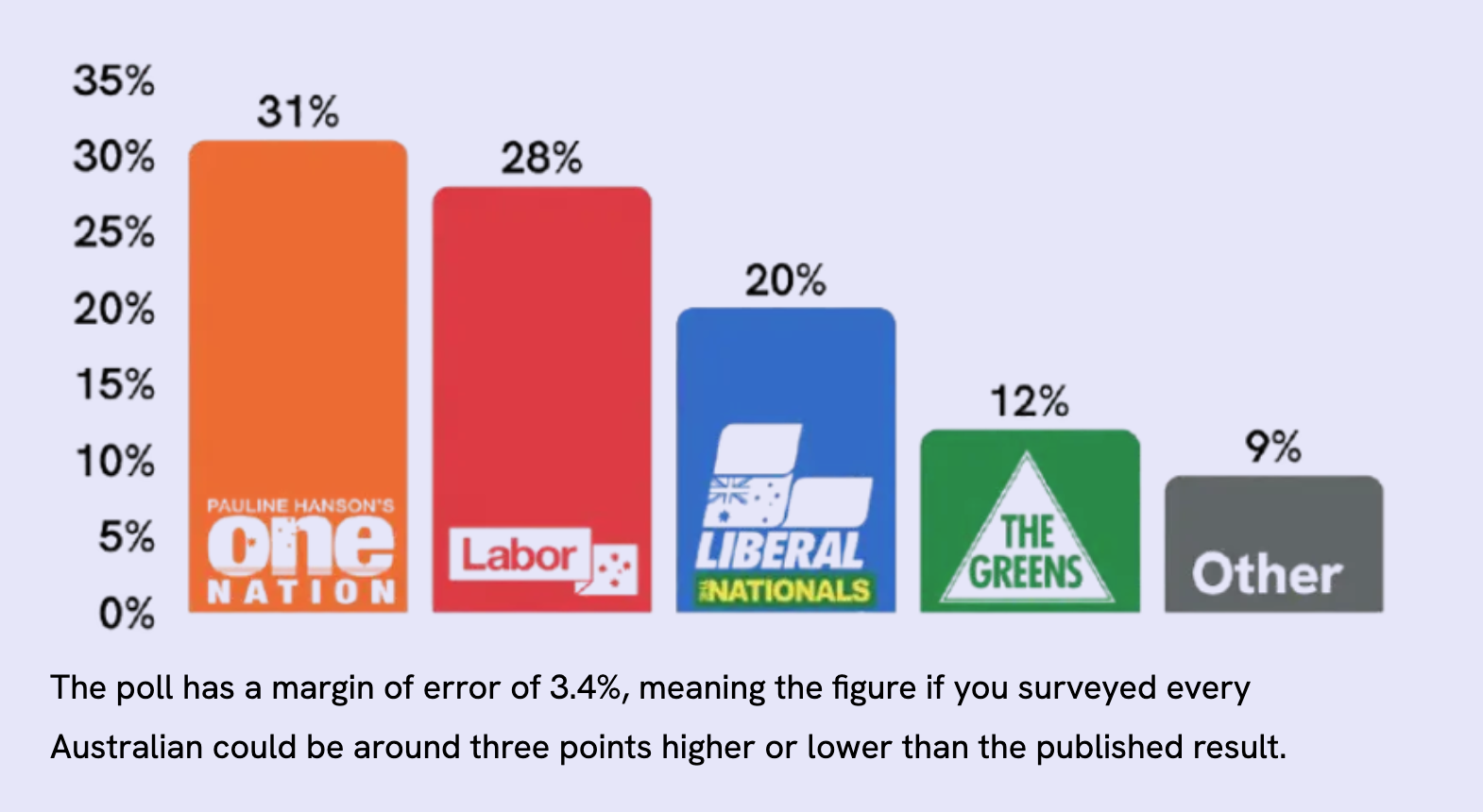
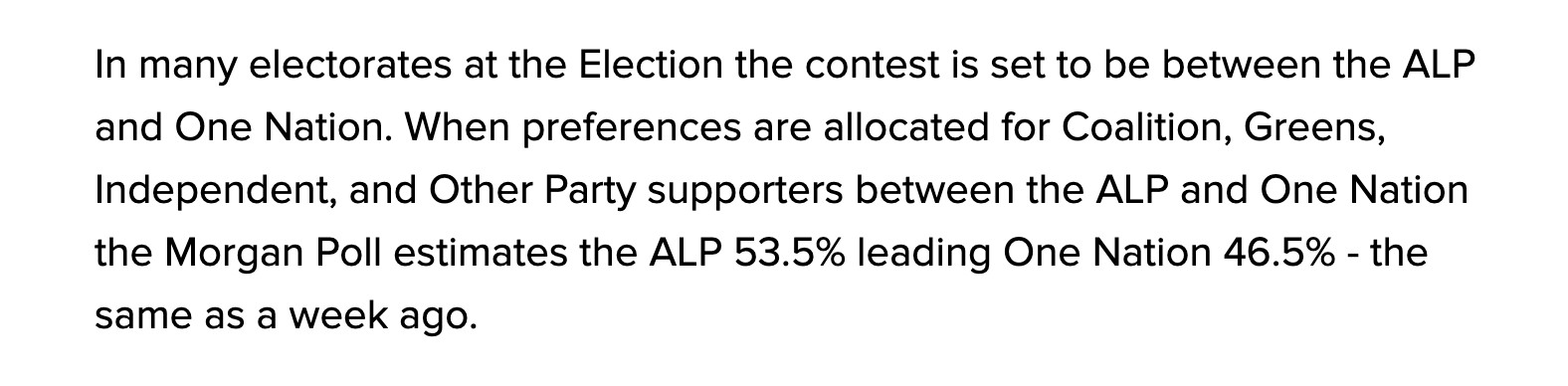
Australia uses preferential voting. You rank every candidate on the ballot from most preferred to least. If nobody clears 50%, the lowest candidate drops out, their votes get passed on based on second preferences, and it keeps going until someone crosses the line. One Nation's problem is this: 31% of people put them first, but most of the other 69% put them dead last. Every elimination round pushes votes toward Labour. Final result: Labor 53.5%, One Nation 46.5%. You can win round one, but if the rest of the room is saying "anyone but you," you don't get in.
But here's the thing. One Nation doesn't need to win to rewrite the rules. Political scientists call it "policy contagion." When a fringe party's support gets high enough, the major parties don't push back against it. They copy it. Not because they agree, but because they're terrified of losing votes. Taylor directed preferences to One Nation and picked up their "values-based immigration" framework. Albanese started throwing around the word "patriotic" at press conferences, language Labour never would have touched before. One Nation doesn't have to win. They just have to be there. And that's already enough. So what do you do now?
Position Your Investments
If you're a permanent resident or citizen, your property is safe. One Nation has confirmed permanent residents are not affected. But keep an eye on the medium-term effects of policy contagion. Negative gearing shifting to new-build only means your investment strategy needs rethinking, and that's already built into my Golden 21 Rules. If you hold property through a trust or company, sort out your beneficial ownership documents before July 1. Sydney and Melbourne are in a correction phase right now, with clearance rates below 55% and listings climbing. If you've been watching those markets, this is your window.
If you're on a temporary visa, don't panic sell. There's no legislative pathway for forced sales. Get your source-of-funds paperwork in order before the new AML rules kick in on July 1.
If you're overseas and looking at Australia, the environment is tightening but the door hasn't shut. Get your PR first, then invest.
Let me finish with something personal. I've been in Australia for twenty years, and this is the first time it feels like the country isn't just slipping but actively going backwards. Society is more divided than I've ever seen. Public standards have dropped noticeably. Taxes keep going up while public services keep getting worse. Working hard or running a business feels more pointless every year because you earn less, the government takes more, and they spend it on things that have nothing to do with what this country stands for. This anger isn't just coming from One Nation voters. I've always voted Liberal, and I feel it too. I haven't decided how I'll vote next time. But I'm certain more and more Australians will back One Nation, because this is where the country stands right now.
Now you know what's going on in Australia. Would you still come? And if you're already here, can you hold on? All we can really do is look after ourselves, earn more, keep our taxes as low as we can, and maybe... finding somewhere else to live isn't such a bad idea.
Watch the video version of the blog on YouTube.
15 Minutes Free Consultation (Limited-Time Free Offer)
If you have any questions about Australian real estate, we invite you to use our 15 Minutes Free Consultation service. Once you have filled in the form, a professional property investment strategist will be in touch with you. They will assess your needs and provide fundamental advice. This service is designed to help answer general property-related queries. BOOK NOW.
VISION Membership
Our Flagship Service: VISION Membership. Your One-Stop Property Investment Manager – Build a Tailored Portfolio and Achieve Financial Freedom
Whether you're an employee, a professional, a business owner or even a new migrant, everyone has a financial goal for the future. The VISION Membership is designed to solve all the pain points in your Australian property investment journey through one single, comprehensive service.
By analysing your current financial situation and long-term goals, we'll tailor a property investment plan just for you. Our team will match you with the ideal mortgage structure, tax strategies, wealth planning, and legal support, empowering you to go further, faster, and smarter on your path to financial freedom.
VISION Membership is perfect for busy individuals who want a professional team to create, expand and manage their Australian investment portfolio. If you're looking for a dedicated team, including real estate investment experts, mortgage brokers, accountants, financial planners, and property solicitors, VISION Membership is your ideal solution.
Start with an obligation-free 30-minute discovery session on Zoom. BOOK NOW.
VISION Buyer’s Agent
No time for inspections? Tired of dealing with pushy selling agents? Unsure how much to offer or feeling nervous about auctions? Worried about buying the wrong property? If any of these sound like you, AusPropertyStrategy's Australia-wide VISION Buyer's Agent Service is here to help.
We provide end-to-end support to help you build an optimised property portfolio and achieve your financial goals—whether you're investing interstate, refinancing, or planning post-settlement leasing or resale. Our services cover everything from suburb research and property selection, to price negotiation, auction bidding, and post-settlement support.
Start with an obligation-free 30-minute discovery session on Zoom. BOOK NOW.
real estate australia,real estate investing,australian property,australian housing market,australian economy,australian property investment,australian property market,buying property,australian real estate,mortgage brokers brisbane,first home buyer,Australian Real Estate,Australian Real Estate Investment,Australian Property Investment,Real Estate Investment,Property Investment,Property Investment Australia,Passive Income,Positive Cash Flow,Australia Real Estate Investing,Australian Real Estate Investors,Australian Property Investors,Vision Wealth Mentors,Vision Real Estate Investors Australia,financial freedom, freedom through property investment,real estate investors,property investment,passive income,positive cash flow,real estate course,real estate courses,real estate training,australian property market,property investment brisbane,property investment sydney,melbourne property market,investing in brisbane,investing in melbourne,how to invest in property,buying properties,start investing in property,property investment strategy,how to buy investment property,property investing tips,best suburbs to invest in sydney,locations real estate,prime location,property growth by suburb,capital growth suburbs


