

Australia's Inflation Storm: Why a Ceasefire Could Actually Hurt Property Investors More |APS139
Housing inflation just hit 7.2%. That’s the highest reading this cycle. The last time housing was running this hot inside the CPI, the RBA hiked rates six months straight. And here’s what should concern you — that 7.2% doesn’t include the 45% petrol price spike from the Iran conflict, because the war started the day after the data cut-off. That shock hasn’t touched the numbers yet. When it does, you’re looking at a very different picture. In the next 15 minutes, I’m going to walk you through exactly what’s coming over the next 6 weeks, and show you the 3 dates that will determine whether rates go up again, whether CGT gets slashed, and whether your investment structure still holds up. And I’ll give you the specific steps to protect yourself before any of it lands.
Good News or Bad News
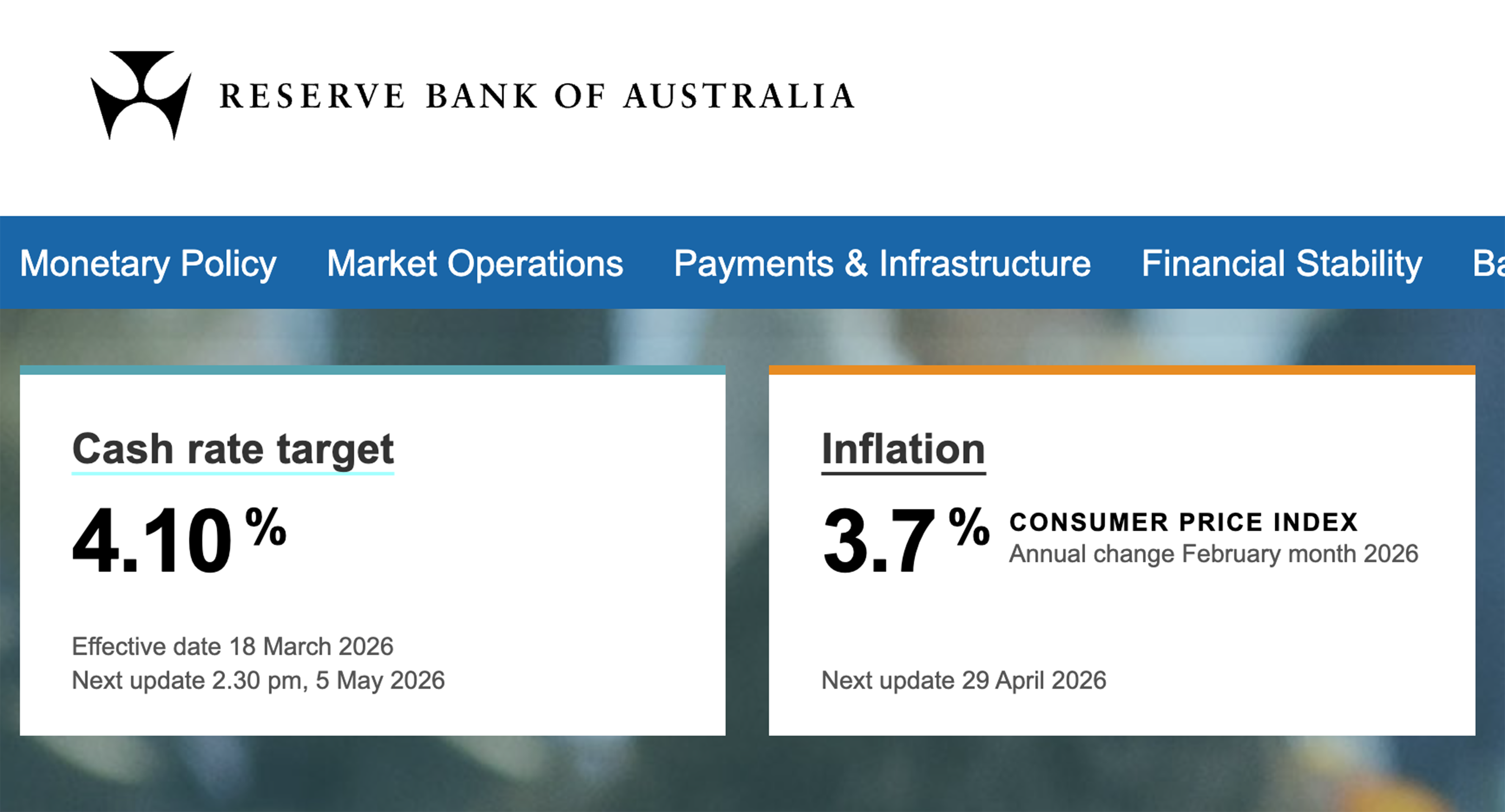
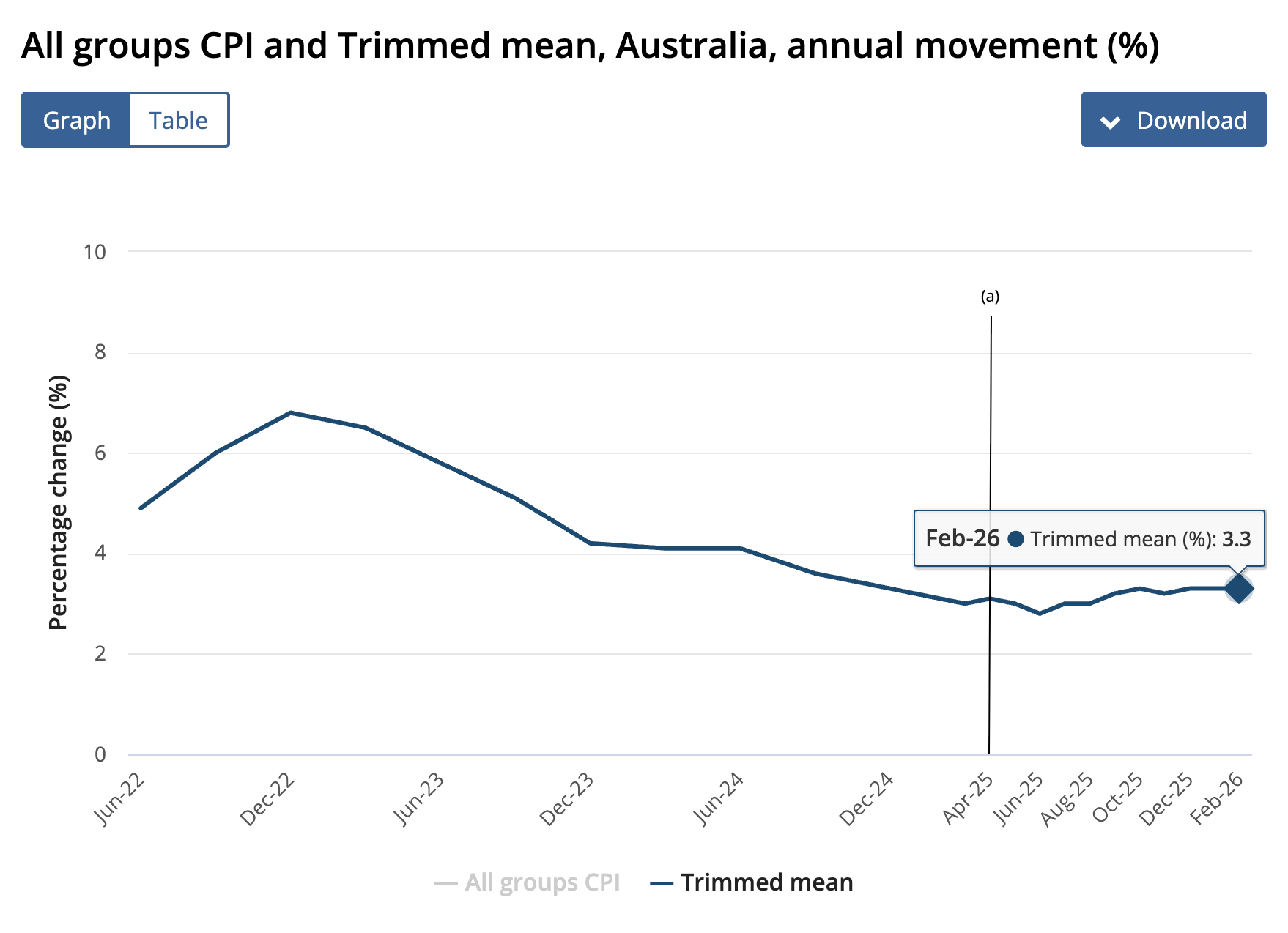
The ABS just released the February CPI — 3.7%. Down from 3.8% in January, even a tick below what analysts expected. Trimmed mean came in at 3.3%. Monthly change: flat. On the surface, it looks like inflation is finally heading the right way.
But when you dig into the details, the story falls apart.
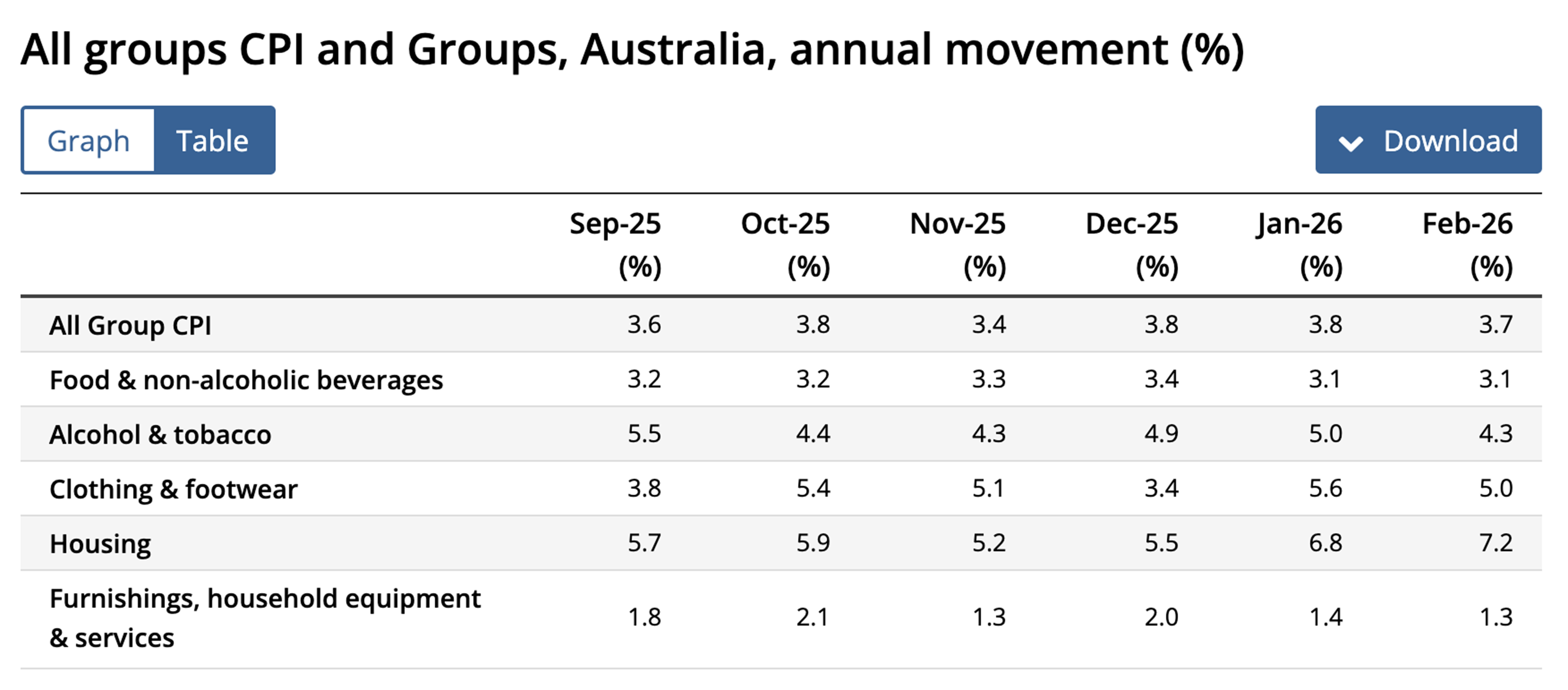
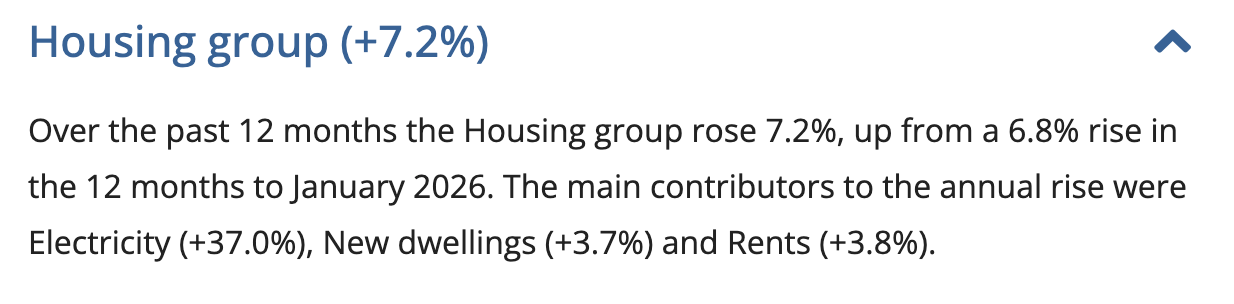
Housing: 7.2%, up from 6.8% the month before. Electricity surged 37% because the federal energy rebates ran out — the moment that subsidy disappeared, the base effect kicked in and the number shot straight up. Rent is sitting at 3.8%. New dwelling costs at 3.7%. Housing carries the heaviest weight in the CPI, and it’s the one that’s accelerating. That matters.
Now look at what actually pulled CPI down. Petrol fell 3.4% year-on-year in February. The national average in February was $1.69 a litre — the cheapest we’ve seen since 2022. So the reason CPI looks better is that fuel was dirt cheap in February. Here’s the problem with that — go fill up your car today. Unleaded in Sydney on March 23rd: $2.44. Diesel in some areas is closing in on $3. That’s a 45% jump in one month, and not a single cent of it showed up in today’s report.
So is today’s 3.7% inflation good news or bad news? Here’s my take — this is the last clear sky before the storm.
But CPI is only the first layer of what’s happening right now. The force that will actually decide where inflation goes from here isn’t inside the ABS. It’s playing out on a battlefield in the Middle East. Let me break it down.
War Decides Where Inflation Goes
Where inflation ends up over the next two quarters doesn’t depend on how the ABS crunches the data. It comes down to one chokepoint — the Strait of Hormuz.
On February 28th, the US and Israel hit Iran with a joint strike. The strait got choked off. Close to 20 million barrels of crude flow through there every single day. Brent crude went from the low $60s pre-war to nearly $120 a barrel, and right now it’s bouncing between $97 and $104.
You might think that’s just a number on the international news. But it’s the price on the board at your petrol station, the extra $30 or $40 on every supermarket trip, and the question of whether building material costs keep spiralling. Australia has 38 days of fuel reserves. Oil and gas are 90% imported. If that strait stays shut, what happens after day 38?
So where does this conflict go? I see three paths.
Scenario one: de-escalation, partial ceasefire. I think the odds are going up. Trump paused strikes on Iranian energy sites for five days. The US sent a 15-point peace proposal through Pakistan. Iran said “non-hostile” tankers can pass through the strait — a small signal, but a real one. Nobody believes they’ll accept the full deal, and a handshake is still a long way off. But the tone has shifted — from “fight to the end” to “maybe there’s room to talk.” If a ceasefire holds, oil drops to $70–80, petrol goes to $1.60–1.80, and CPI could ease by half a point to a full point over two quarters. The RBA’s case for a May hike gets significantly thinner.
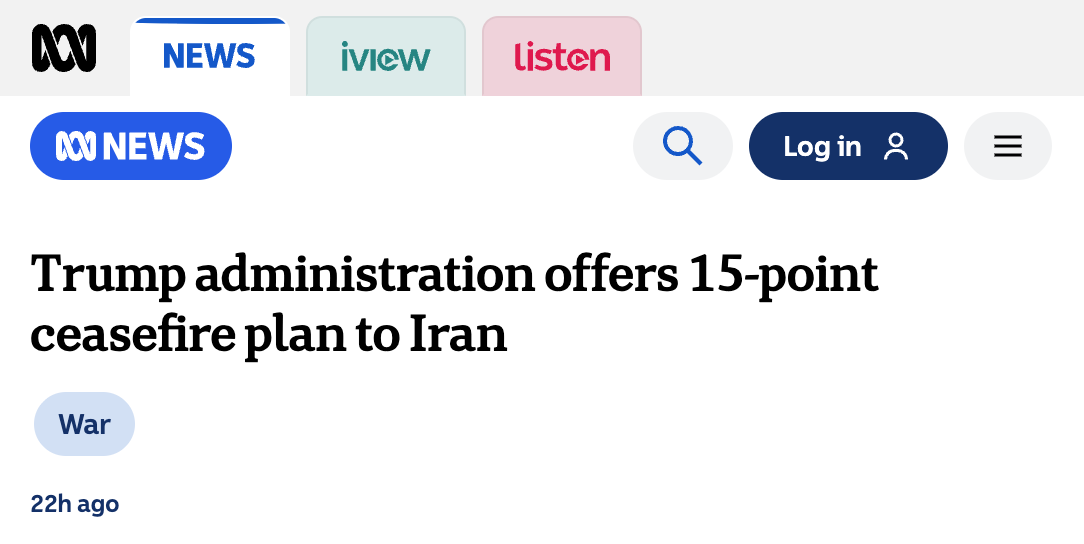
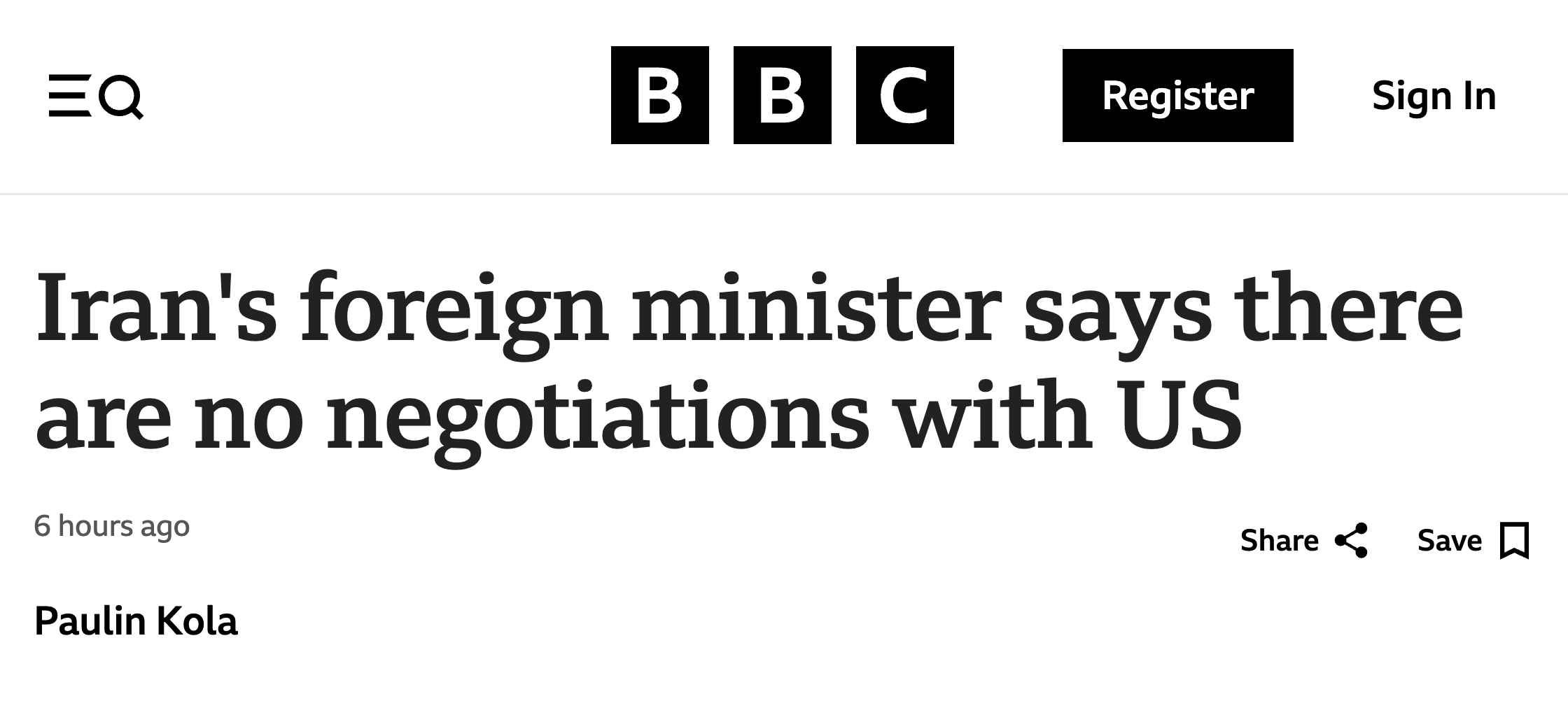
Scenario two: drawn-out stalemate. The probability here isn’t low. The strait partially reopens, but tension stays high and oil sits between $90 and $110. Westpac’s model shows that if the blockade continues for a month, inflation could hit 4.6% by the June quarter. March CPI is almost certainly going above 4%. A May hike to 4.35% becomes pretty much locked in, and futures markets are already pricing the cash rate at 4.60% by year-end — the highest since 2012.
Scenario three: full escalation. Low probability, but not zero. Iran launches a full counter-attack, the strait shuts down long-term, and oil blows past $150. AMP’s Shane Oliver has done the maths — $150 oil drops an extra 0.7 percentage points straight onto inflation. In that scenario, the RBA ends up cornered: the economy is getting crushed by energy costs while inflation keeps surging. Hike and you hurt the economy. Hold and you lose control of expectations. Stuck from both sides.
I lean towards scenario one — de-escalation. I’m not saying it will happen — I’m saying the probability is rising. War is the one thing nobody can predict, and if the situation changes next week, the analysis changes with it.
Now, here’s the part that actually keeps me up at night. Because even if you take the war completely off the table, your property investment environment is still tightening. Four forces are squeezing at the same time, and none of them needs a war to stay in play.
If you have any questions about property investment, please book a free discovery call on our website. If you want a team offering one-stop service to help you build a property investment portfolio, achieve financial freedom and retire early, join our VISION Gold Membership starting with a 30-minute discovery session. Or to keep it simple, our data-driven buyer's agency service can help. We buy and manage properties for our clients anywhere in Australia. If you have an international view, talk to us about the UAE VISION Gold Membership. We help you invest in the UAE property market, plan your tax residency, reduce your taxes to almost 0 and handle CRS/AML auditing. Links to the service are in the description below.
Four Forces Tightening at Once
Look, a lot of people have a simple formula in their heads: ceasefire → oil drops → inflation drops → no rate hike → property bounces back. The first half of that formula works. The second half? It doesn’t even come close.
Force one: interest rates. Already landed. The RBA has hiked twice this year to 4.10%. On a $600,000 loan, that’s an extra $181 a month — $2,172 a year. In real terms, that’s about ten proper sit-down lunches gone every month.
But repayments are just the wound you can see. The one you can’t see cuts deeper — your borrowing power has shrunk. The same salary that got you $850,000 last year now gets you about $770,000. An $80,000 gap. Prices didn’t fall — the bank just won’t lend you the money. You’ve gone from a three-bedroom house to two-bedroom townhouses. That is the real damage.
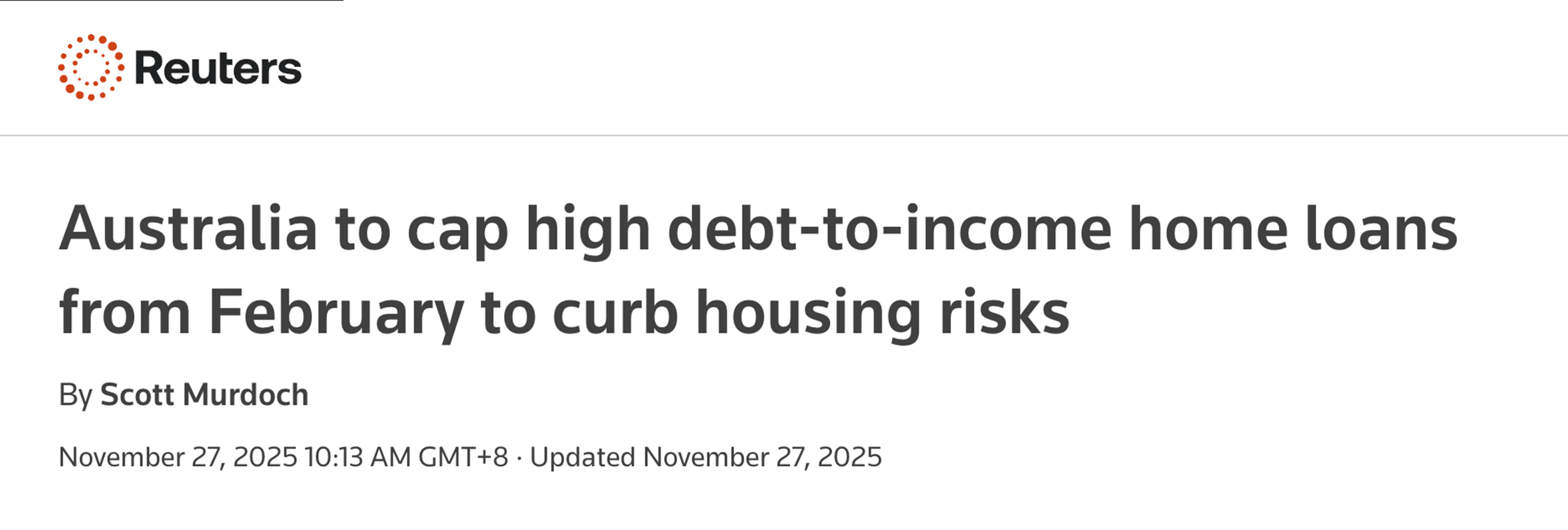
Force two: APRA’s DTI cap. Live since February 1st. If your loan exceeds six times your income, each bank can only put 20% of its new lending into that bracket — another ceiling on what you can borrow. But here’s the detail most people missed: new builds are exempt. APRA is basically telling you where to look.
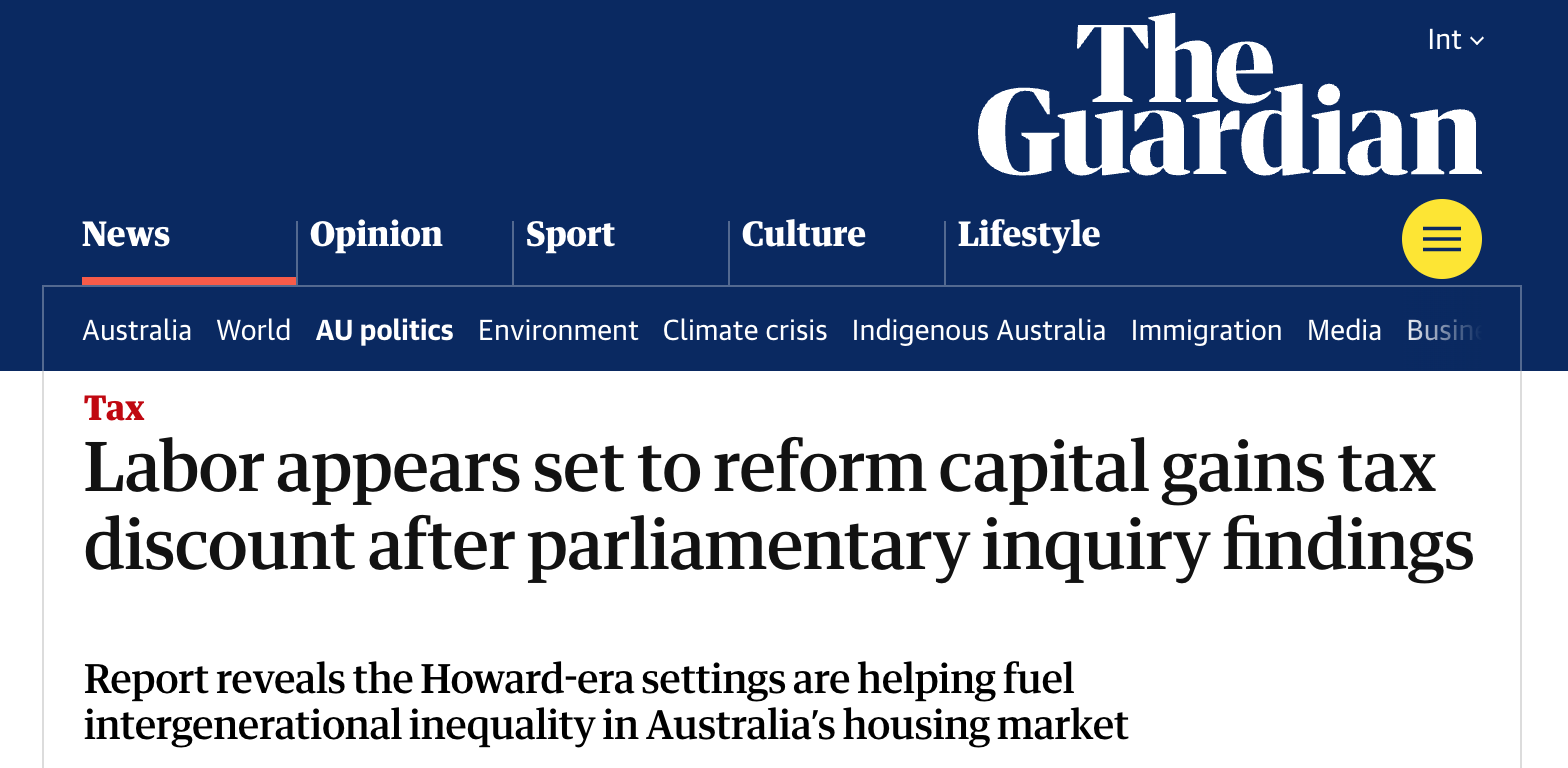
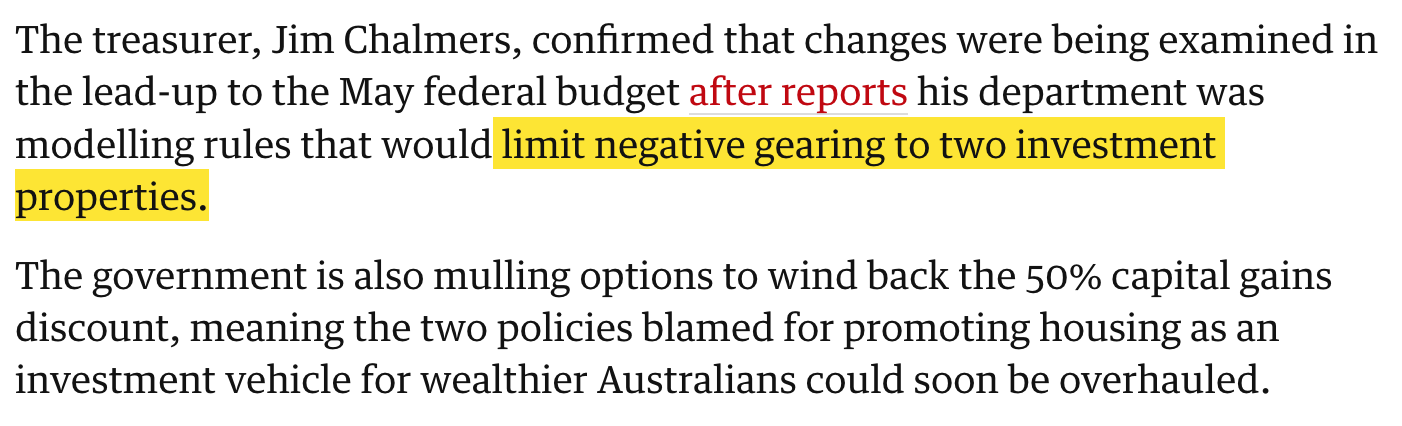
Forces three and four: CGT and negative gearing reform. The May 12th budget is almost certainly bringing both to the table. The 50% CGT discount on investment properties could be cut to 33% or even 25%. The Senate inquiry’s final report, released March 17th, didn’t hold back — the discount “distorts the housing market in favour of investors.” And the data backs it up: 92% of investor lending flows to existing homes, only 8% goes to new builds, and the top 1% of taxpayers capture between 54% and 59% of all CGT discount benefits. That is a political target you can see from space. Negative gearing? Treasurer Chalmers has publicly flagged a cap of two properties per person. The silver lining — grandfathering is almost certainly part of the package, so your existing investments stay protected.
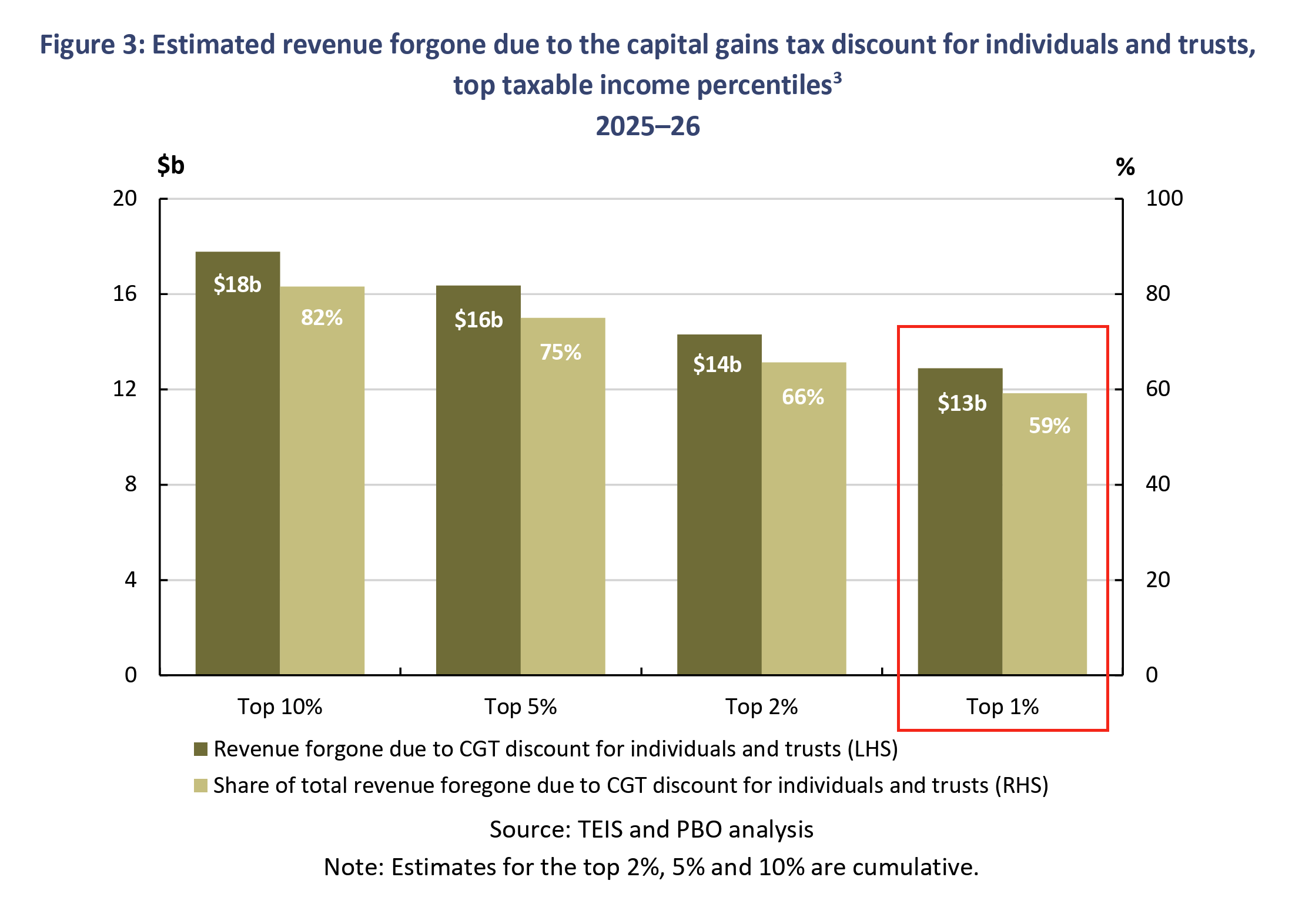
Rates. DTI. CGT. Negative gearing. Four forces, all tightening at the same time. You might think a ceasefire fixes everything. It doesn’t. Not one of these four has anything to do with whether the fighting stops or starts. Even if peace breaks out tomorrow, every single one stays in play.
Why a Ceasefire Could Be More Dangerous
OK, this is the most counter-intuitive part of today’s video, and I need you to stay with me on this one. A ceasefire is great for your repayments — rates might not go up, and your monthly mortgage payment catches a break. But a ceasefire could actually hurt your investment tax position, because it gives the government far more political room to push CGT and negative gearing reform through.
Here’s the logic. Labour has a large majority, the next election is a long way off, and the Greens are cheering from the sidelines. Chalmers keeps coming back to “responsible but difficult decisions.” The political soil for tax reform is ready. But while the war is on, the government has a built-in shield — “the economy is too unstable for structural reform.” The moment the war ends, that shield vanishes.
And when it does, the government’s focus shifts from putting out fires to writing new rules. The CGT discount becomes more likely to drop from 50% in one clean cut rather than a gradual phase-in. The two-property negative gearing cap is more likely to land on the table officially.
So there’s your paradox. Ceasefire: good for repayments. Ceasefire: bad for investment tax burden. The thing you thought was good news has a price tag you didn’t see coming. This isn’t fear-mongering. This is risk management.
My estimate — CGT reform in the budget sits at about 60% probability. Negative gearing is capped at two, with around a 40 to 50% chance. Grandfathering provisions, 90%. These are my calls based on what I’m seeing right now. If the data changes, the view changes with it. We won’t know for sure until May 12th.
All three threads are laid out. Now let me give you the three dates that tie everything together, because they’ll directly shape how you approach property investment from here.
Three Dates to Circle
April 29th — March CPI plus the Q1 quarterly data drops. This is the last major number before the RBA’s May meeting. If inflation comes in hot, a May rate hike becomes almost certain.
The ceasefire — date unknown. Trump’s five-day pause runs out on March 28th. US intelligence thinks it could take another two to three weeks before anything real happens on the ground. This variable decides whether oil prices come back down, whether inflation eases, and whether the RBA has enough cover to hold. If the war wraps up before the May board meeting, the odds of a hike drop.
May 12th — the Federal Budget. CGT reform, negative gearing caps, energy policy — everything lands on this single day. I’d argue this date matters more than the rate decision itself.
OK. That’s a lot coming at you at once. But if you’re watching this right now, you’re already ahead of most people who have no idea these four forces are converging. Here are the steps.
First, look at your loan. Westpac at 5.74% is the lowest of the big four. CBA, ANZ, and NAB are all above 6%. If you’ve been sitting on a standard variable rate and never compared, you could be throwing away over $2,000 a year. I ran my own comparison last month — the environment has changed, and every dollar you free up is ammunition in a tightening market.
Second, don’t freeze up. The game has two traps. You panic and move too fast, or you do nothing and miss the window entirely. If you’ve already found something well-priced with solid cash flow, good properties don’t sit around waiting. The people who held off in 2022, looking for a “better entry point”? Most of them are still standing on the outside looking in.
Third, set yourself up for both outcomes. You can’t control the war, the RBA, or the budget. But you can control your loan structure, your city selection, and your holding structure. Get those three locked in before any results land, and whatever cards come out, you’re not the one scrambling.
You might be thinking — rates, war, CGT, negative gearing, four things all moving at once — how does one person figure all of this out? That’s what VISION Gold Membership is built for. We stress-test our members’ positions — can you hold if rates hit 4.35%? How do you restructure if CGT changes? How do you optimise cash flow if negative gearing gets capped? Which city, which holding structure, how does the maths work — we run through all of it. If you want my team to do a free investment health check for you, click the link below to book a Discovery Session.
Watch the video version of the blog on YouTube.
15 Minutes Free Consultation (Limited-Time Free Offer)
If you have any questions about Australian real estate, we invite you to use our 15 Minutes Free Consultation service. Once you have filled in the form, a professional property investment strategist will be in touch with you. They will assess your needs and provide fundamental advice. This service is designed to help answer general property-related queries. BOOK NOW.
VISION Membership
Our Flagship Service: VISION Membership. Your One-Stop Property Investment Manager – Build a Tailored Portfolio and Achieve Financial Freedom
Whether you're an employee, a professional, a business owner or even a new migrant, everyone has a financial goal for the future. The VISION Membership is designed to solve all the pain points in your Australian property investment journey through one single, comprehensive service.
By analysing your current financial situation and long-term goals, we'll tailor a property investment plan just for you. Our team will match you with the ideal mortgage structure, tax strategies, wealth planning, and legal support, empowering you to go further, faster, and smarter on your path to financial freedom.
VISION Membership is perfect for busy individuals who want a professional team to create, expand and manage their Australian investment portfolio. If you're looking for a dedicated team, including real estate investment experts, mortgage brokers, accountants, financial planners, and property solicitors, VISION Membership is your ideal solution.
Start with an obligation-free 30-minute discovery session on Zoom. BOOK NOW.
VISION Buyer’s Agent
No time for inspections? Tired of dealing with pushy selling agents? Unsure how much to offer or feeling nervous about auctions? Worried about buying the wrong property? If any of these sound like you, AusPropertyStrategy's Australia-wide VISION Buyer's Agent Service is here to help.
We provide end-to-end support to help you build an optimised property portfolio and achieve your financial goals—whether you're investing interstate, refinancing, or planning post-settlement leasing or resale. Our services cover everything from suburb research and property selection, to price negotiation, auction bidding, and post-settlement support.
Start with an obligation-free 30-minute discovery session on Zoom. BOOK NOW.
real estate australia,real estate investing,australian property,australian housing market,australian economy,australian property investment,australian property market,buying property,australian real estate,mortgage brokers brisbane,first home buyer,Australian Real Estate,Australian Real Estate Investment,Australian Property Investment,Real Estate Investment,Property Investment,Property Investment Australia,Passive Income,Positive Cash Flow,Australia Real Estate Investing,Australian Real Estate Investors,Australian Property Investors,Vision Wealth Mentors,Vision Real Estate Investors Australia,financial freedom, freedom through property investment,real estate investors,property investment,passive income,positive cash flow,real estate course,real estate courses,real estate training,australian property market,property investment brisbane,property investment sydney,melbourne property market,investing in brisbane,investing in melbourne,how to invest in property,buying properties,start investing in property,property investment strategy,how to buy investment property,property investing tips,best suburbs to invest in sydney,locations real estate,prime location,property growth by suburb,capital growth suburbs


